Best Gold Trading Strategies for Beginners
May 7

Gold has long been one of the most traded assets in the world, prized for its stability, liquidity, and strong reactions to global economic shifts. For beginners, trading gold (often quoted as XAU/USD) can feel overwhelming at first but with the right strategies, it becomes far more structured and predictable.
This guide breaks down simple, effective gold trading strategies that are beginner-friendly and practical.
1. Trend Following Strategy
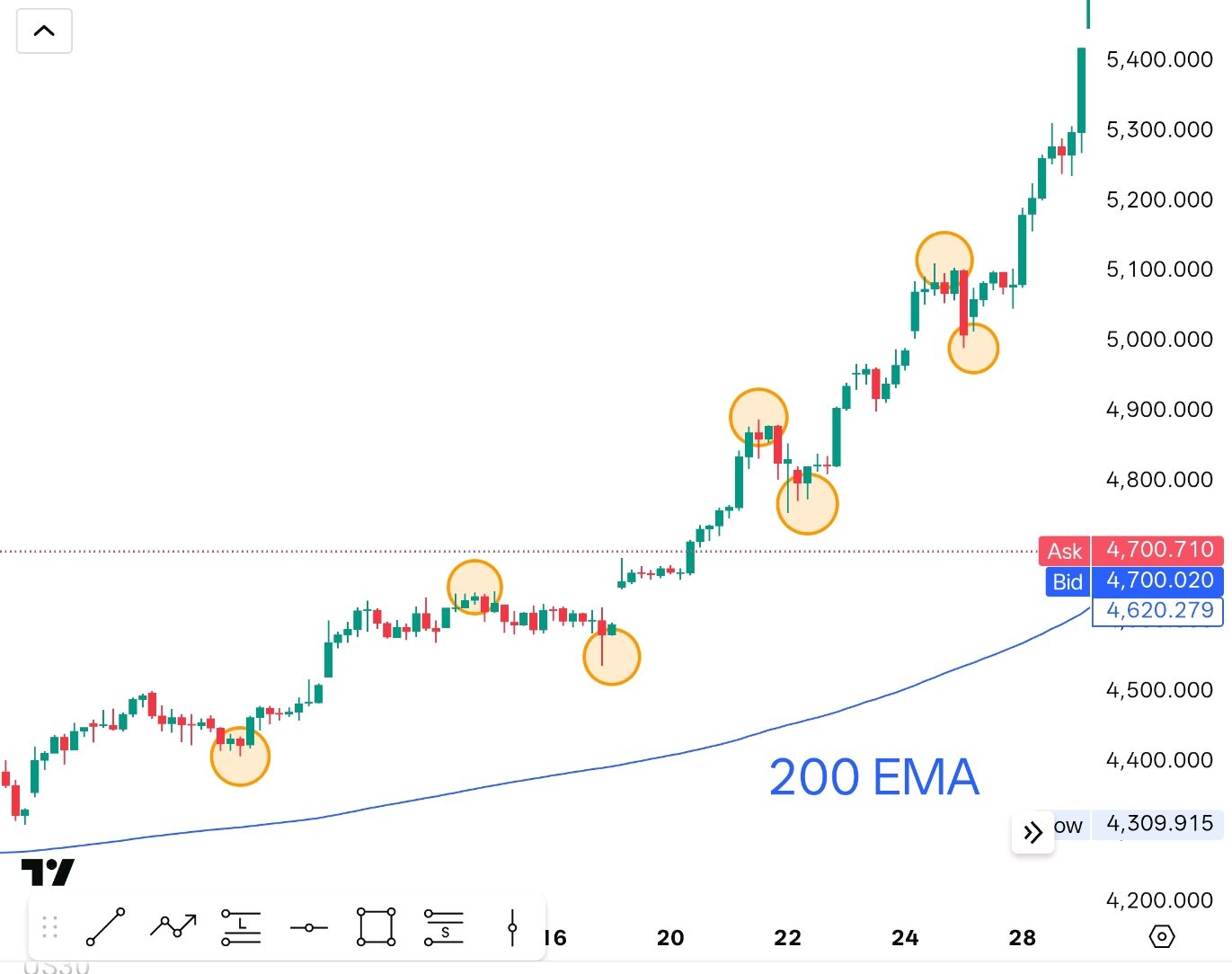
One of the easiest ways to start trading gold is by following the trend. Gold often moves in strong, sustained trends, especially during periods of economic uncertainty.
- Identify the overall trend using moving averages (e.g. 50 EMA and 200 EMA)
- Look for buying opportunities in an uptrend and selling opportunities in a downtrend
- Avoid trading against the trend
2. Support and Resistance Trading
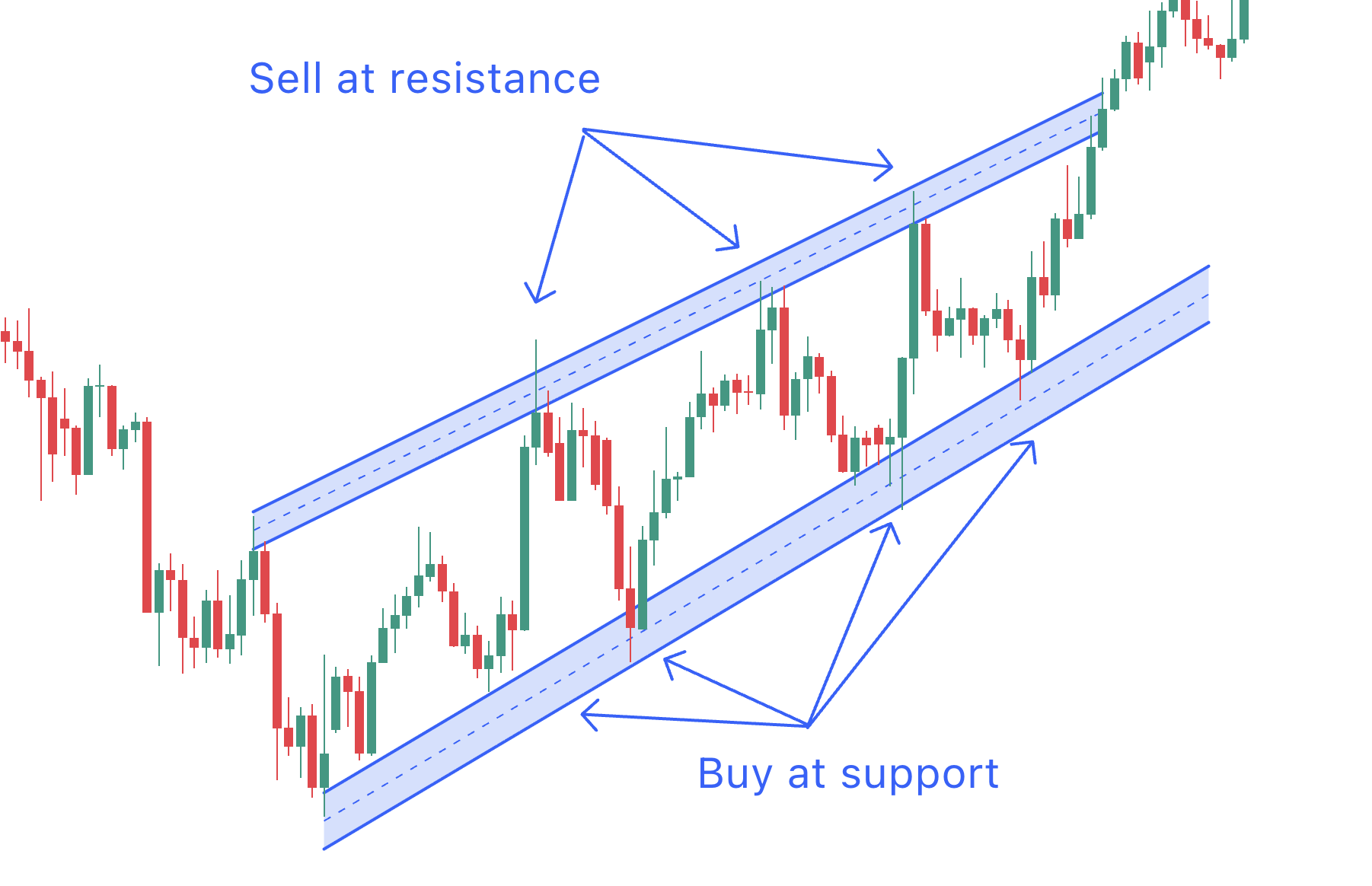
Gold tends to follow key levels very well, making support and resistance one of the most reliable strategies.
- Mark key price levels where price has reacted before
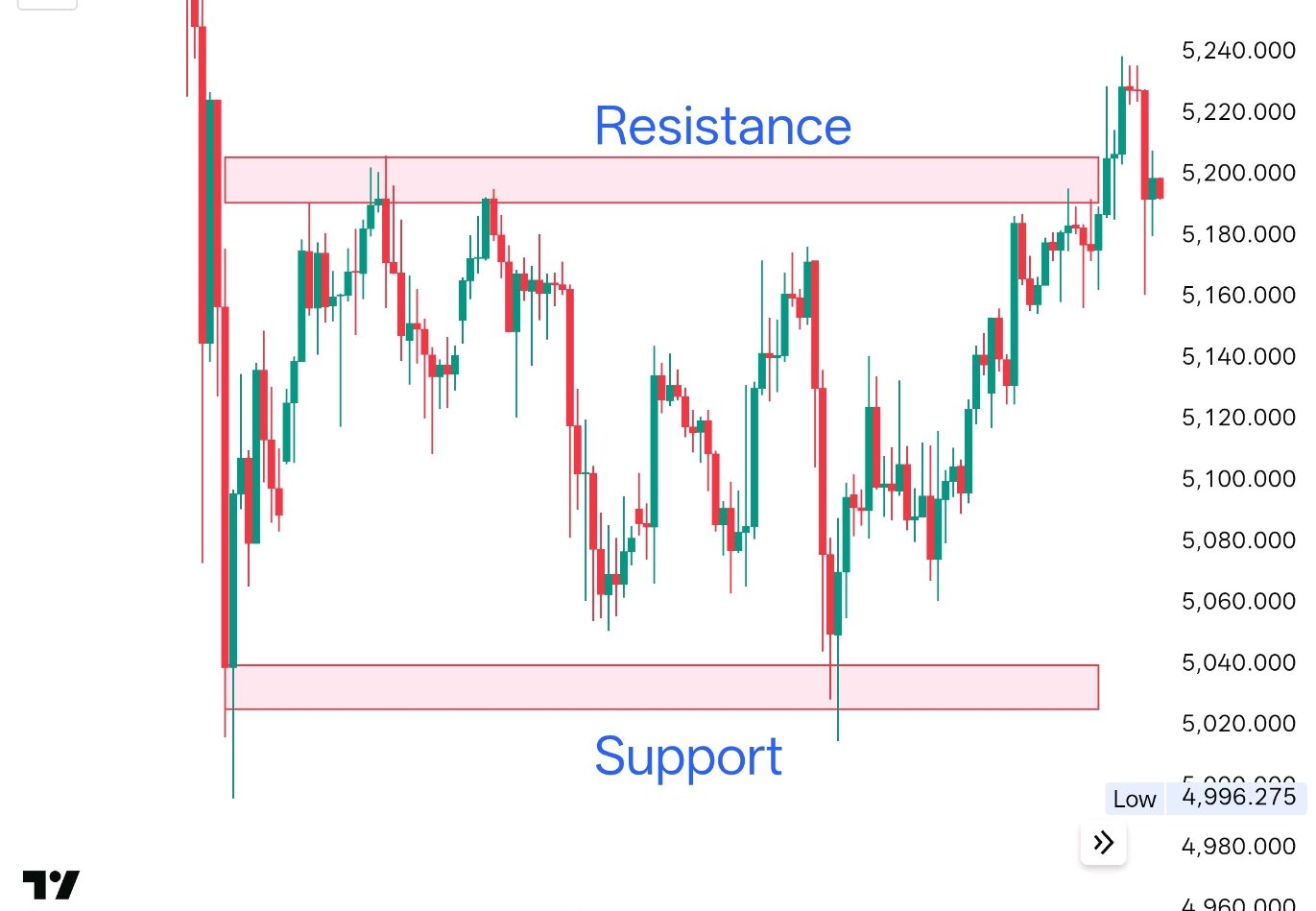
- Buy near support and sell near resistance
- Combine with candlestick confirmation (e.g. rejection wicks, engulfing patterns)
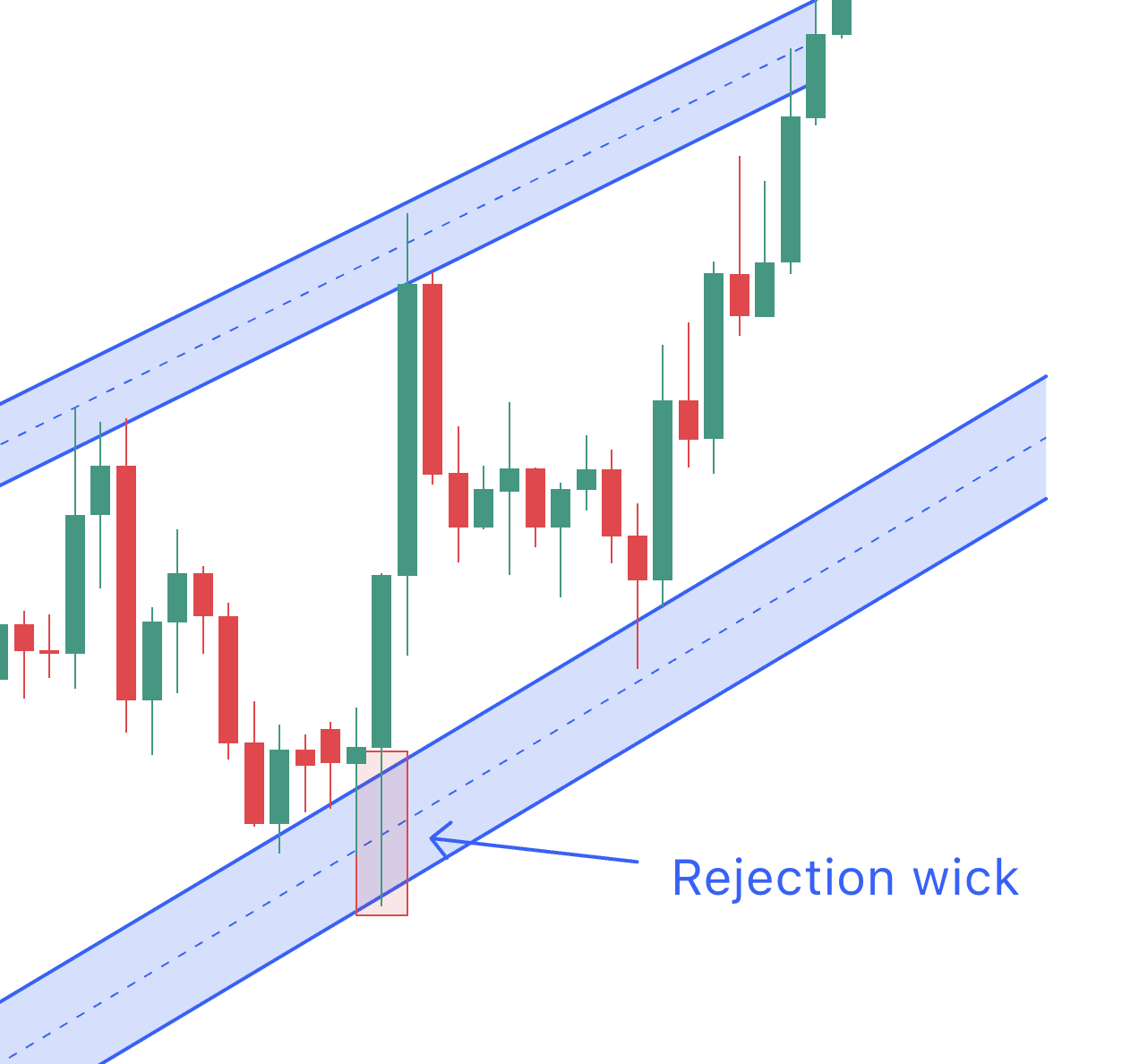
Gold is heavily traded by institutions, and these levels often represent areas of strong buying or selling interest.
3. Breakout Strategy
Gold is known for sharp moves, especially during major news events.
- Identify consolidation zones (tight ranges)
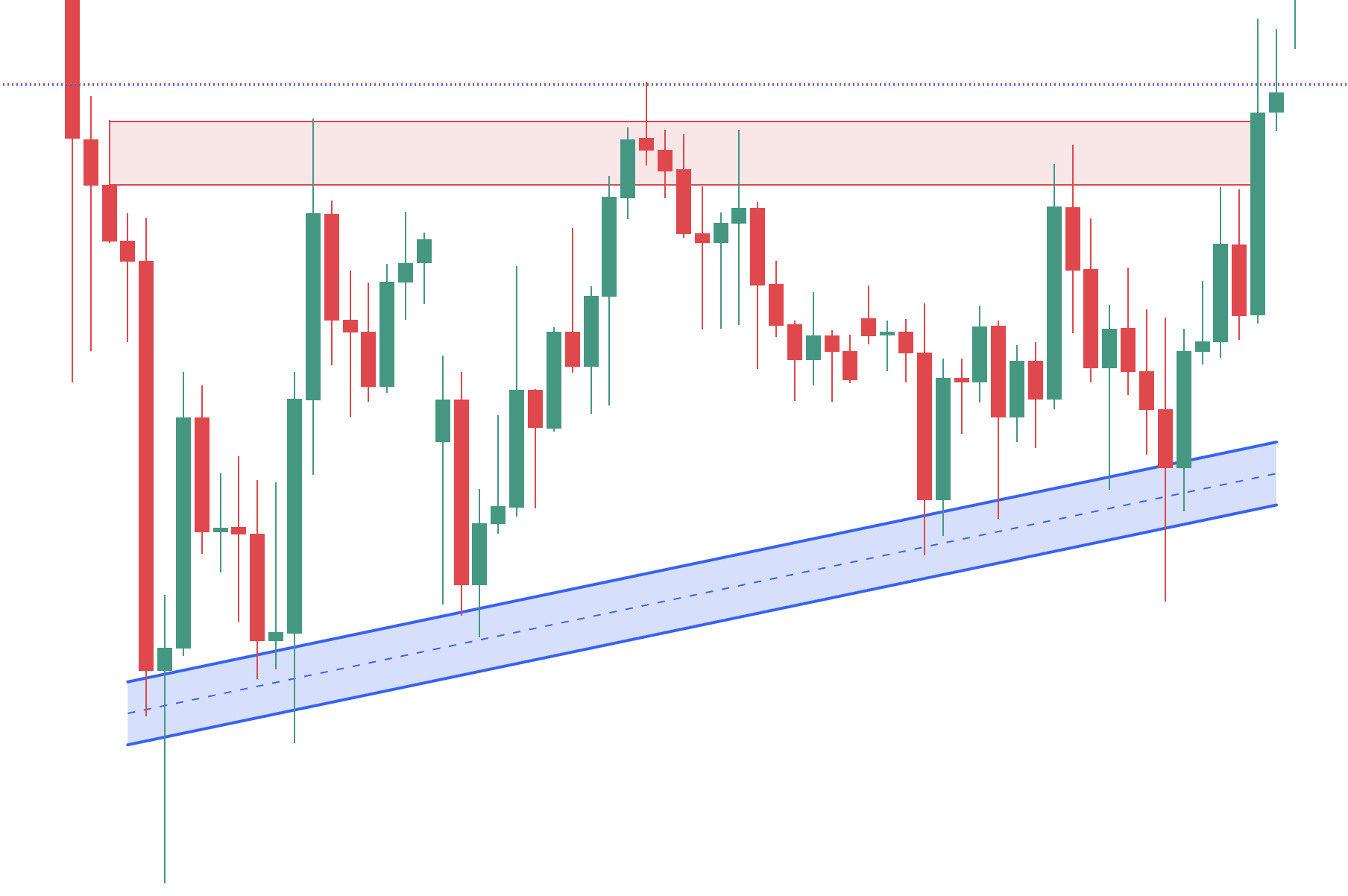
- Enter when price breaks out with strong momentum
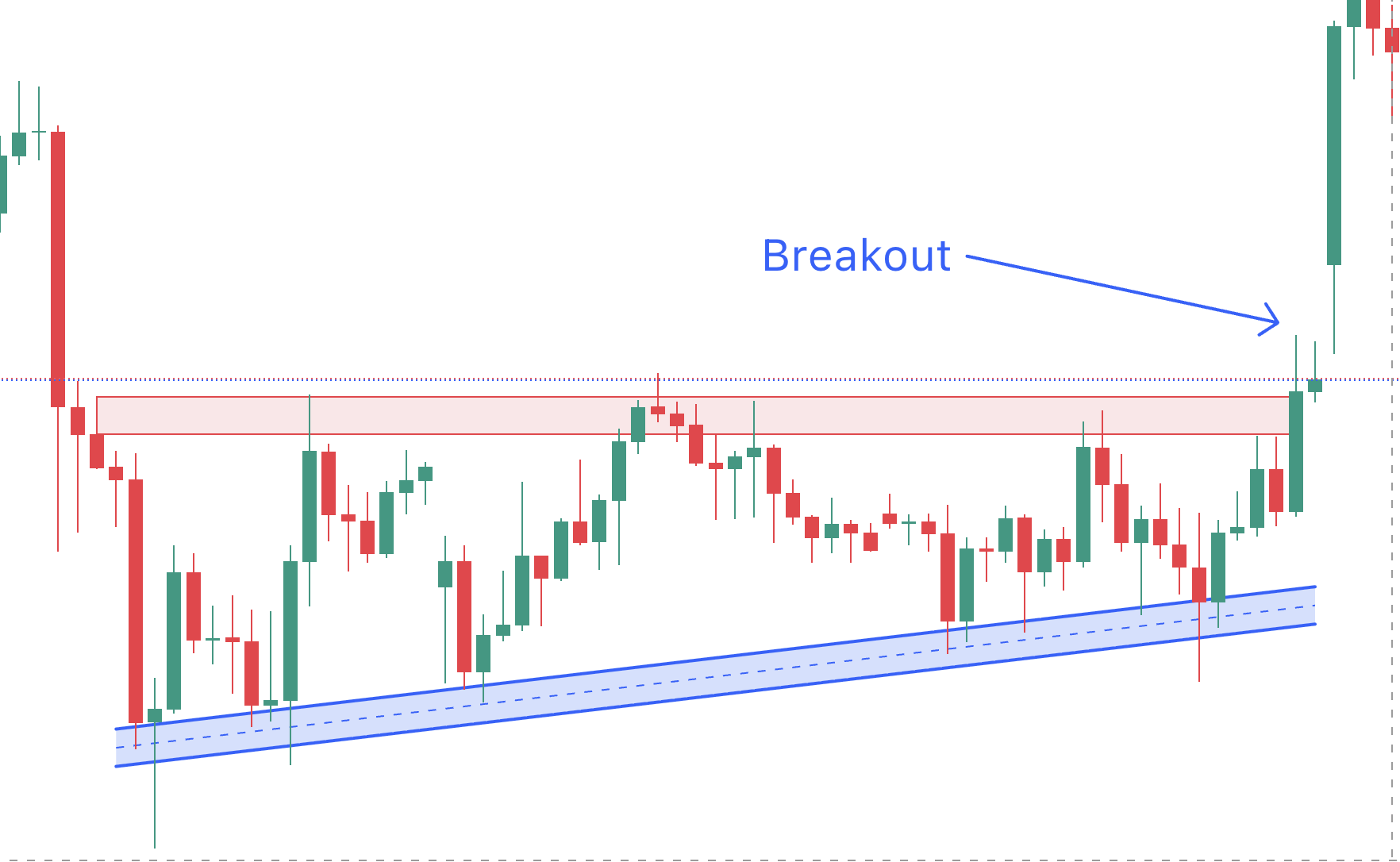
- Place stop loss just outside the breakout zone
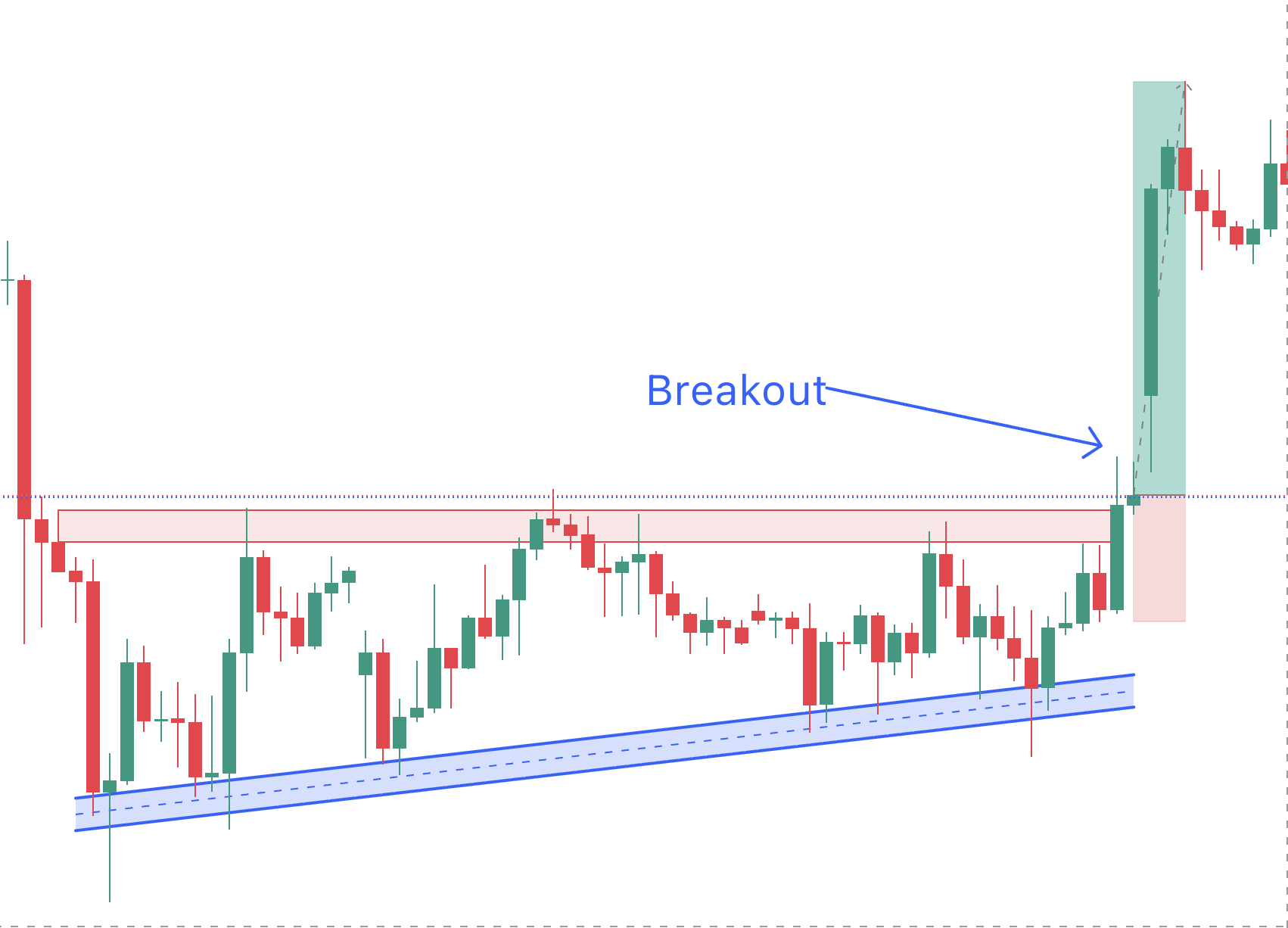
Avoid false breakouts by waiting for a candle close beyond the level.
4. Gold and US Dollar Relationship
Gold typically has an inverse relationship with the US Dollar.
- When the USD strengthens → Gold tends to fall
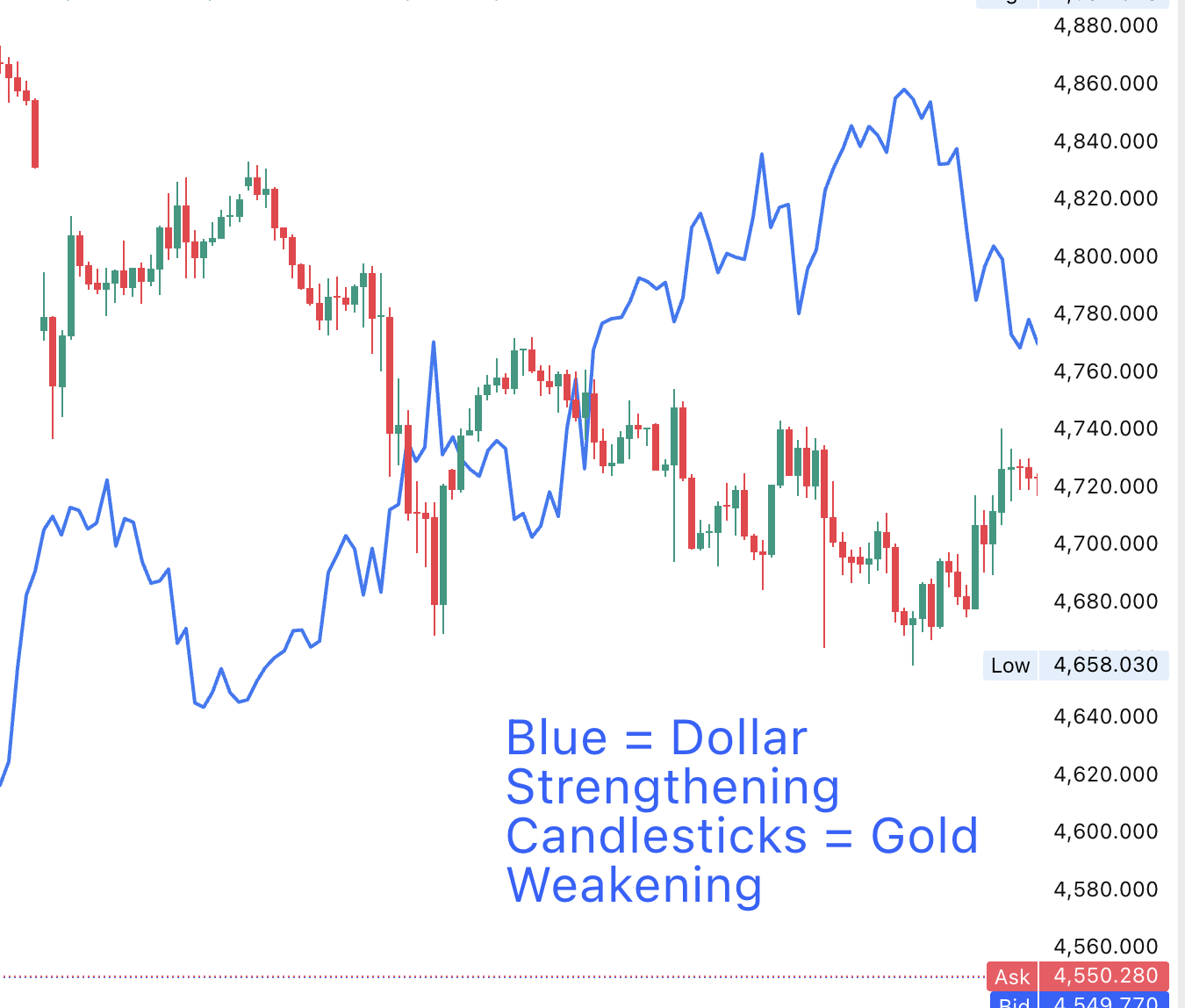
- When the USD weakens → Gold tends to rise
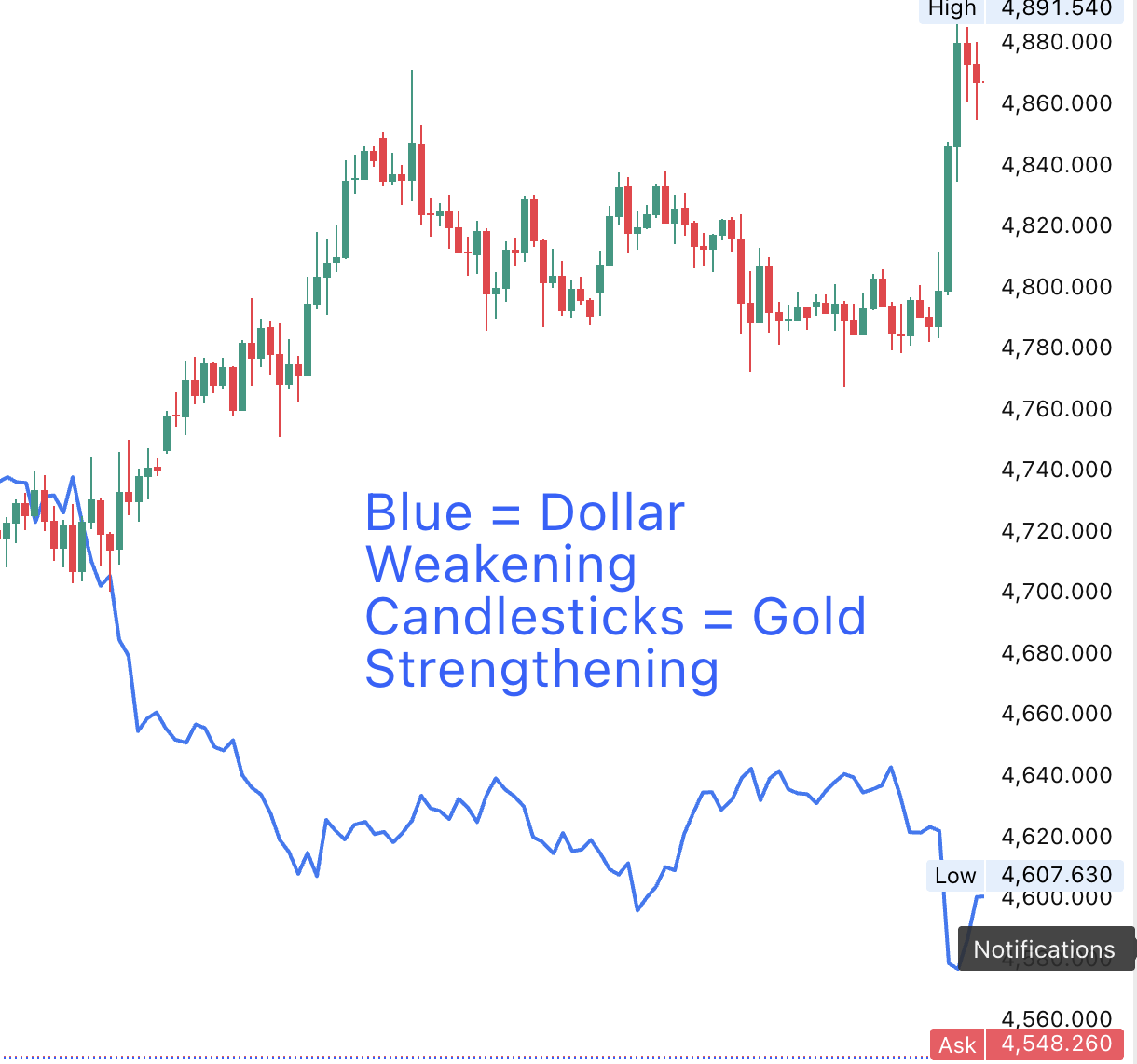
Beginners can use this as a confirmation tool rather than a primary strategy.
5. Session-Based Trading
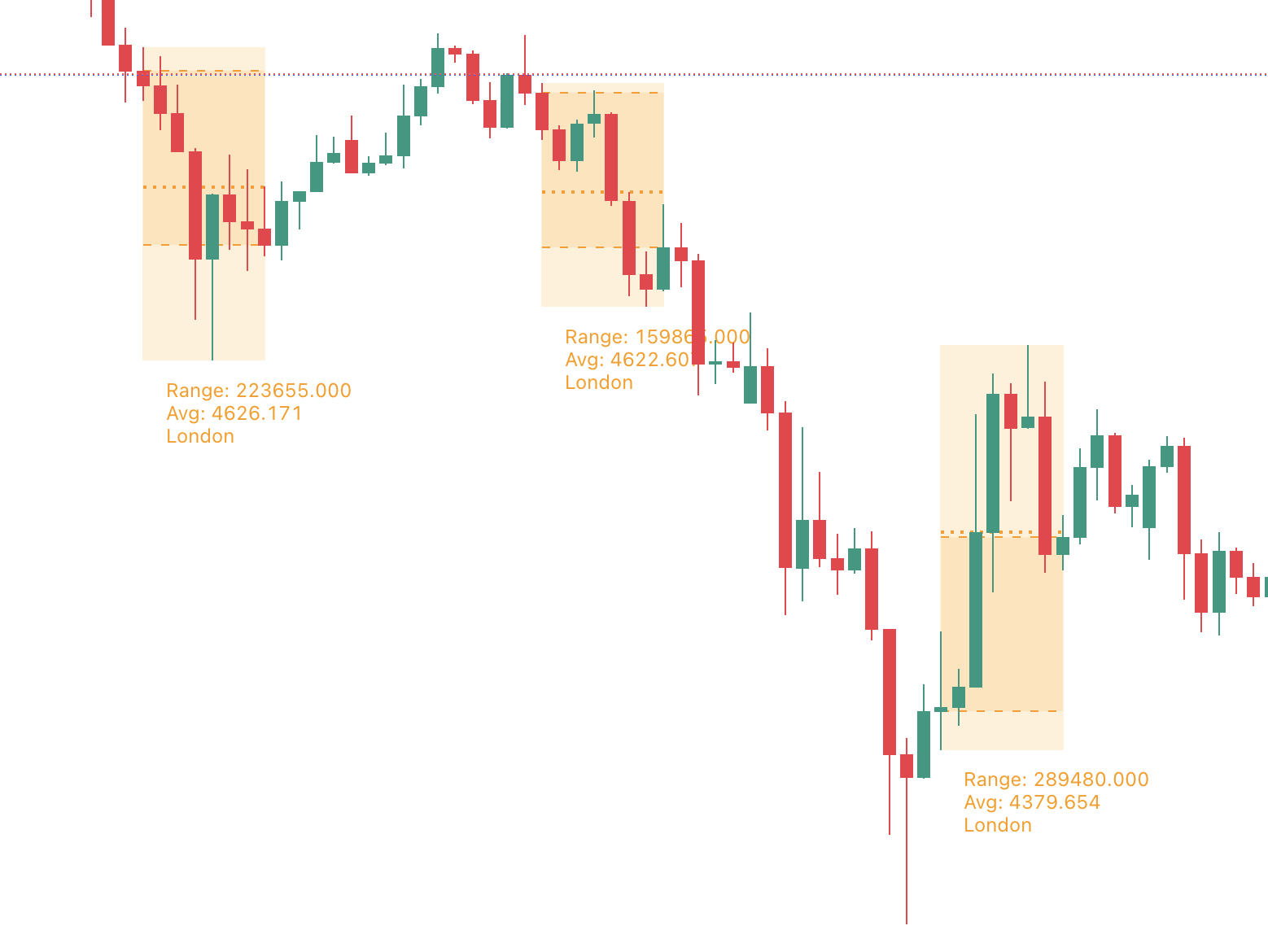
Gold behaves differently across trading sessions.
Best times to trade gold:
- London session – Increased volatility begins
- New York session – Highest volatility and strongest moves
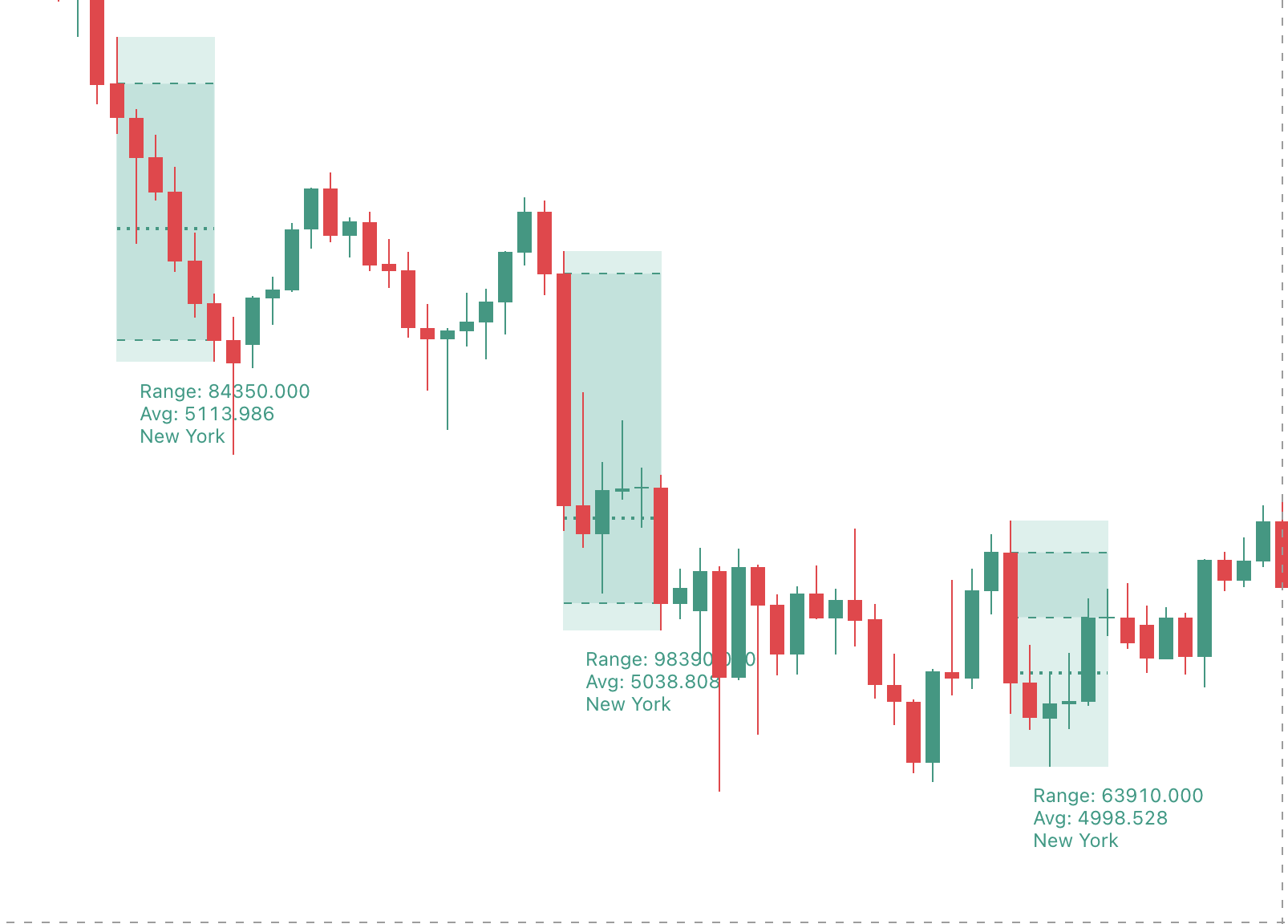
The overlap between London and New York sessions often provides the best opportunities.
6. Risk Management Strategy
Even the best trading strategy can fail if risk is not controlled properly. In gold trading, volatility can increase suddenly, especially during major economic news releases or strong movements in the US Dollar. This is why risk management should always come before profit targets.
Many beginners focus too much on finding the “perfect entry”, but professional traders focus more on protecting their capital. Staying in the market long-term is what allows consistency to build over time.
Risk only 1–2% per trade
A common rule among experienced traders is to risk only a small portion of your account on each trade. For example, if your trading account is $1,000, risking 1% means your maximum loss on a trade should only be $10.
This approach helps traders survive losing streaks without damaging their account heavily. Gold can move aggressively within minutes, so using controlled position sizing is essential.
Use a minimum risk-to-reward ratio of 1:2
A healthy risk-to-reward ratio means your potential reward should be at least twice your potential loss.
For example:
- Risk: $20
- Target profit: $40 or more
This allows traders to remain profitable even if they do not win every trade. A trader with a 50% win rate can still grow their account steadily when using proper risk-to-reward management.
Avoid overtrading, especially after losses
One of the biggest mistakes beginners make is trying to recover losses immediately after a losing trade. This often leads to emotional trading, revenge trading, and poor decision-making.
Gold’s fast movements can tempt traders to enter multiple trades within a short period, but more trades do not always mean more profits. Sometimes the best decision is to wait patiently for a higher-quality setup.
Consistency matters more than winning every trade
No strategy wins 100% of the time. Losses are a normal part of trading. The goal is not to avoid losses completely, but to keep losses small while allowing winning trades to grow.
Successful gold traders focus on:
- Following their trading plan
- Managing emotions
- Protecting capital
- Staying disciplined over hundreds of trades
Over time, consistency usually matters far more than short-term results.
Final Thoughts
Gold trading doesn’t require complex strategies to be profitable. For beginners, simplicity is key. Focus on mastering one or two strategies such as trend following and support/resistance while maintaining strict risk management.
As you gain experience, you’ll start to recognise patterns in how gold moves, especially around key levels and major market sessions. With discipline and consistency, gold can become one of the most rewarding markets to trade.