How to Trade Gold: Setups and Strategies

Apr 27


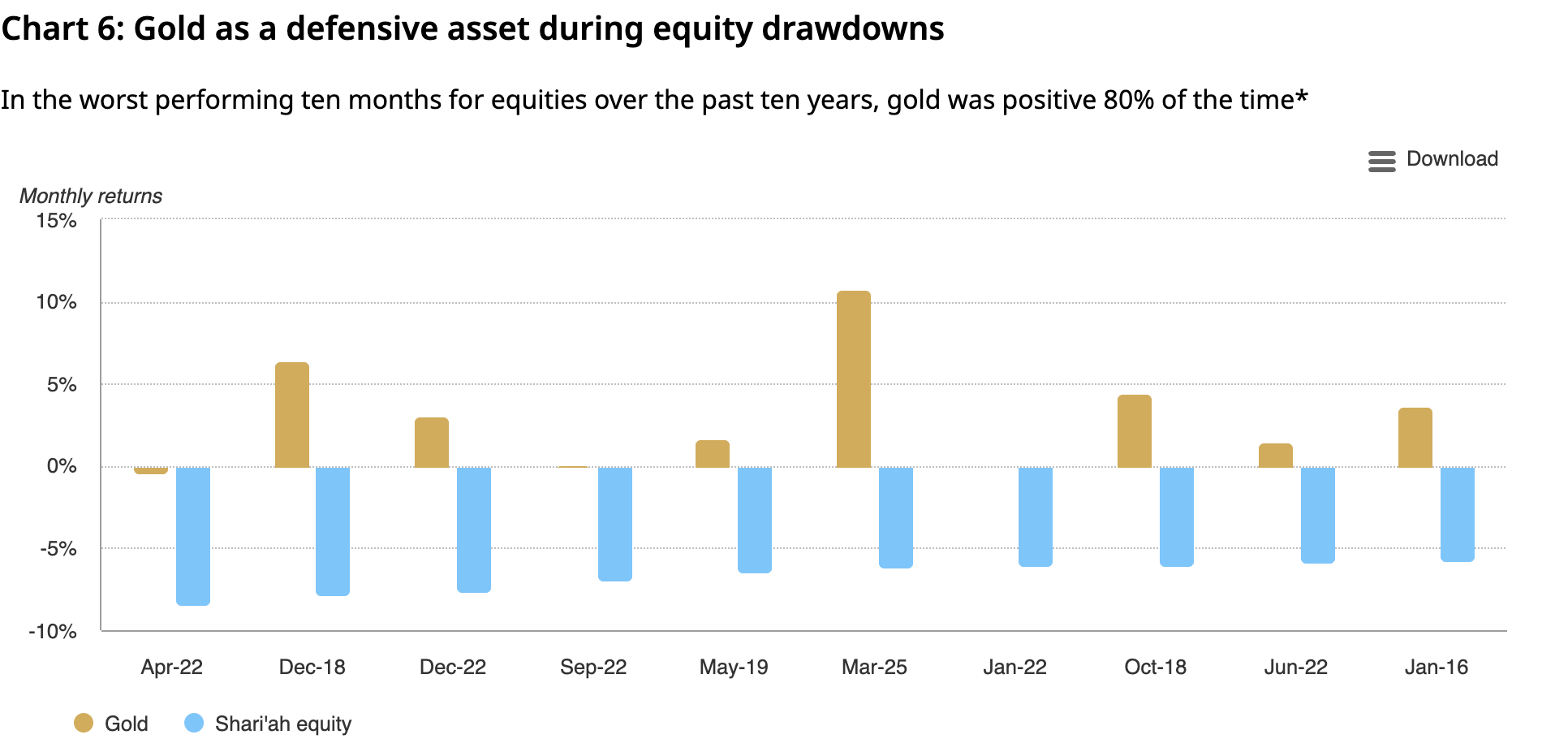
Gold has long held its position as one of the most actively traded assets in global financial markets. Often viewed as a store of value and a hedge against uncertainty, it attracts both institutional and retail traders seeking opportunity during periods of volatility.

However, trading gold successfully goes beyond recognising its “safe haven” status. It requires understanding when to trade, how to enter, and what tools to use.

Why Trade Gold?

Gold offers several characteristics that make it particularly appealing:

  • High Liquidity: Gold is traded globally, ensuring tight spreads and efficient execution.
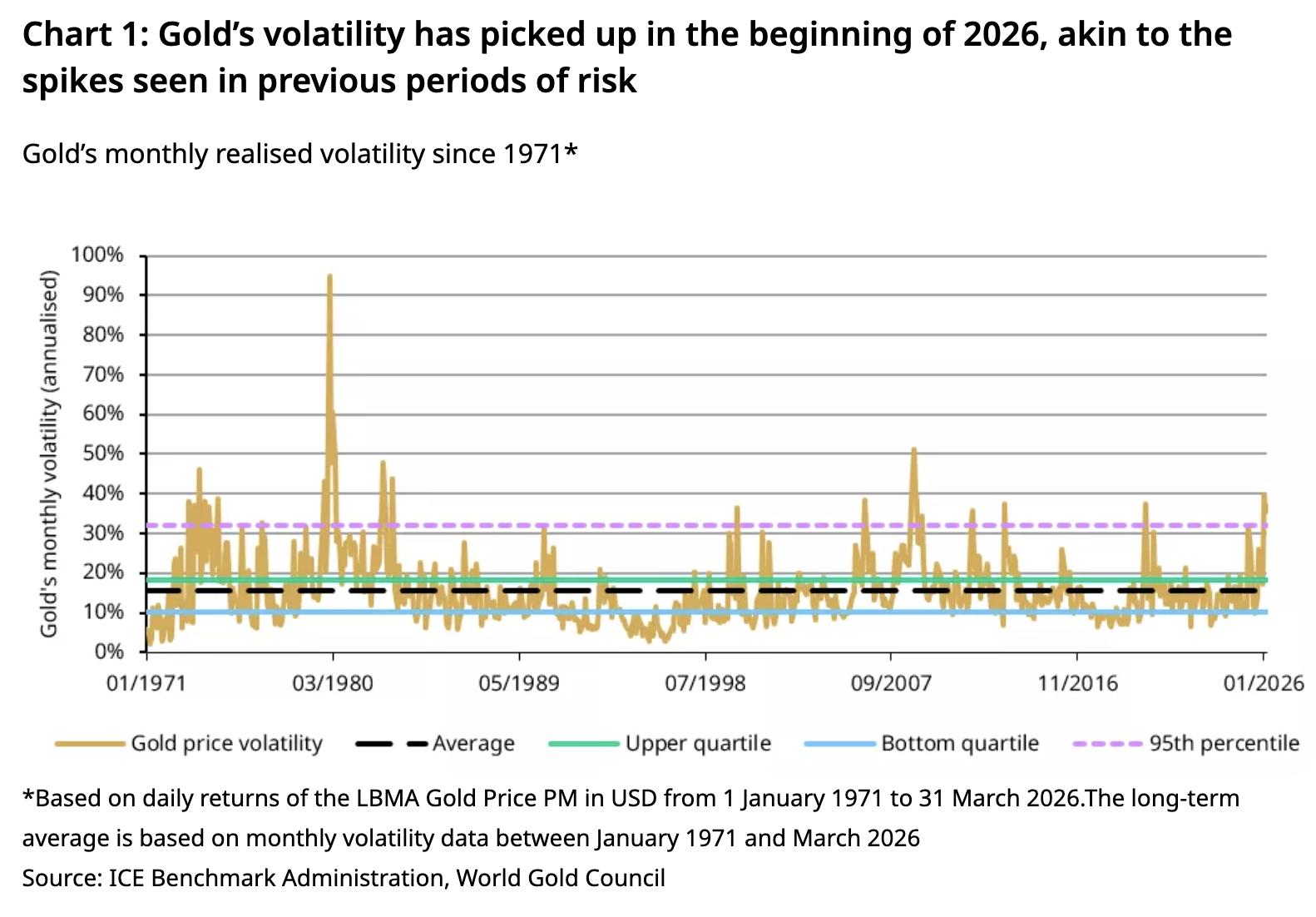
  • Volatility: Compared to many currency pairs, gold often presents stronger intraday movements.
  • Macro Sensitivity: Gold reacts clearly to economic data, interest rates, and geopolitical developments, creating structured trading opportunities.

This combination allows traders to capture both short-term momentum and longer-term trends.

Step 1: Understand What Moves Gold

Interest Rates
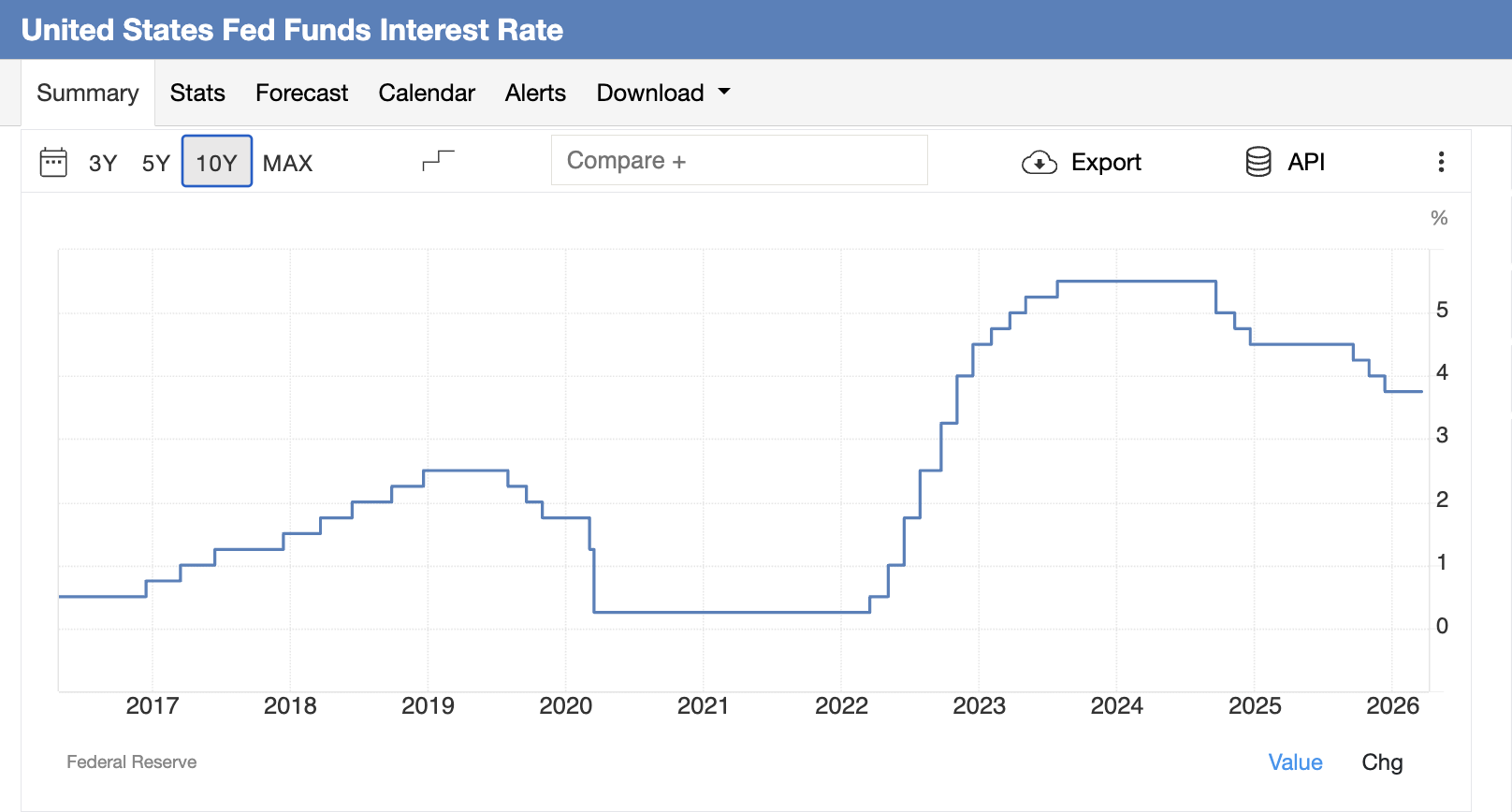
Gold does not generate yield. When rates rise, gold becomes less attractive → prices tend to fall.

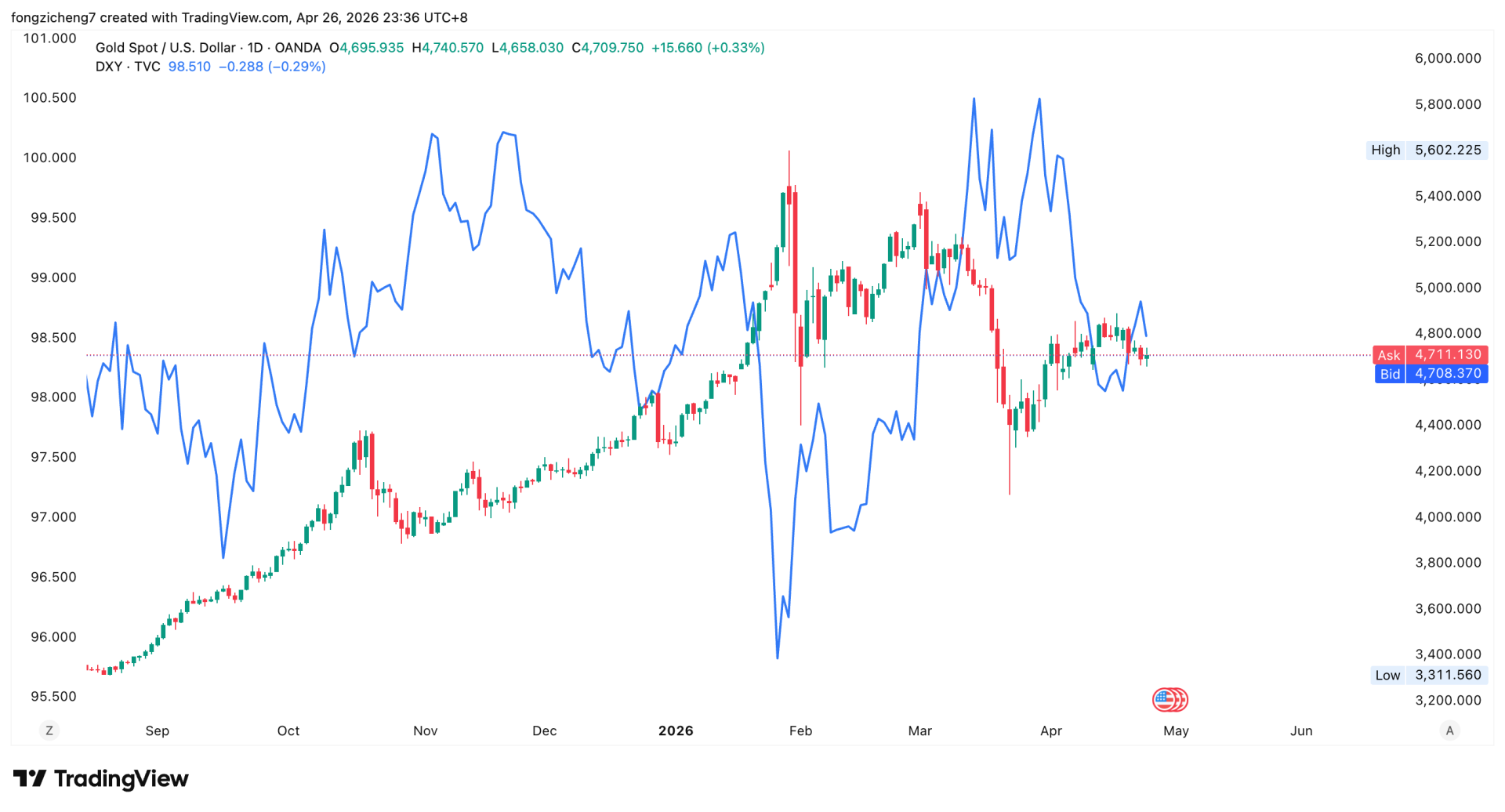
US Dollar Strength

Gold is priced against the US Dollar Index.

  • Strong USD → gold pressure
  • Weak USD → gold support

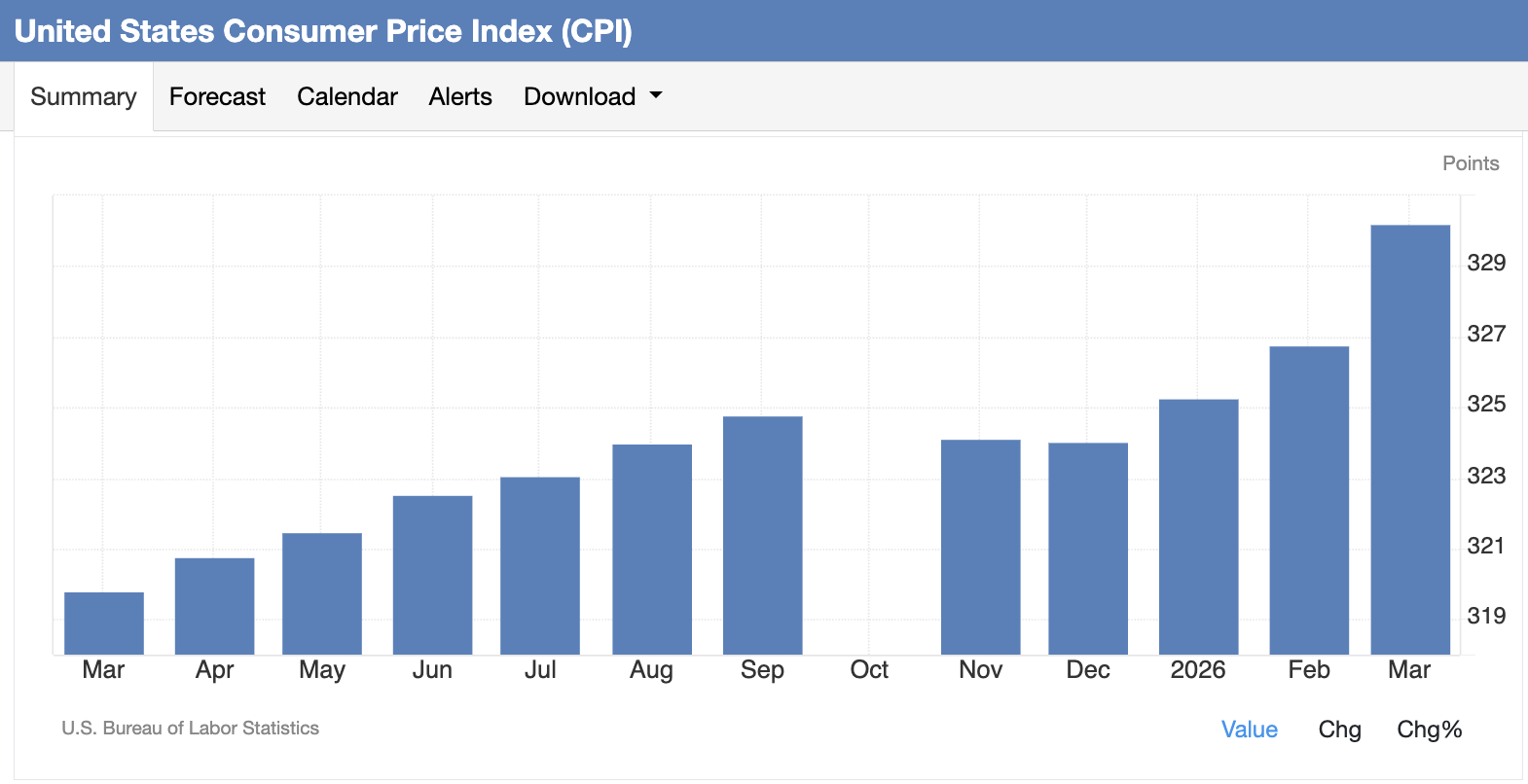
Inflation Expectations

Higher inflation increases gold demand as a store of value.

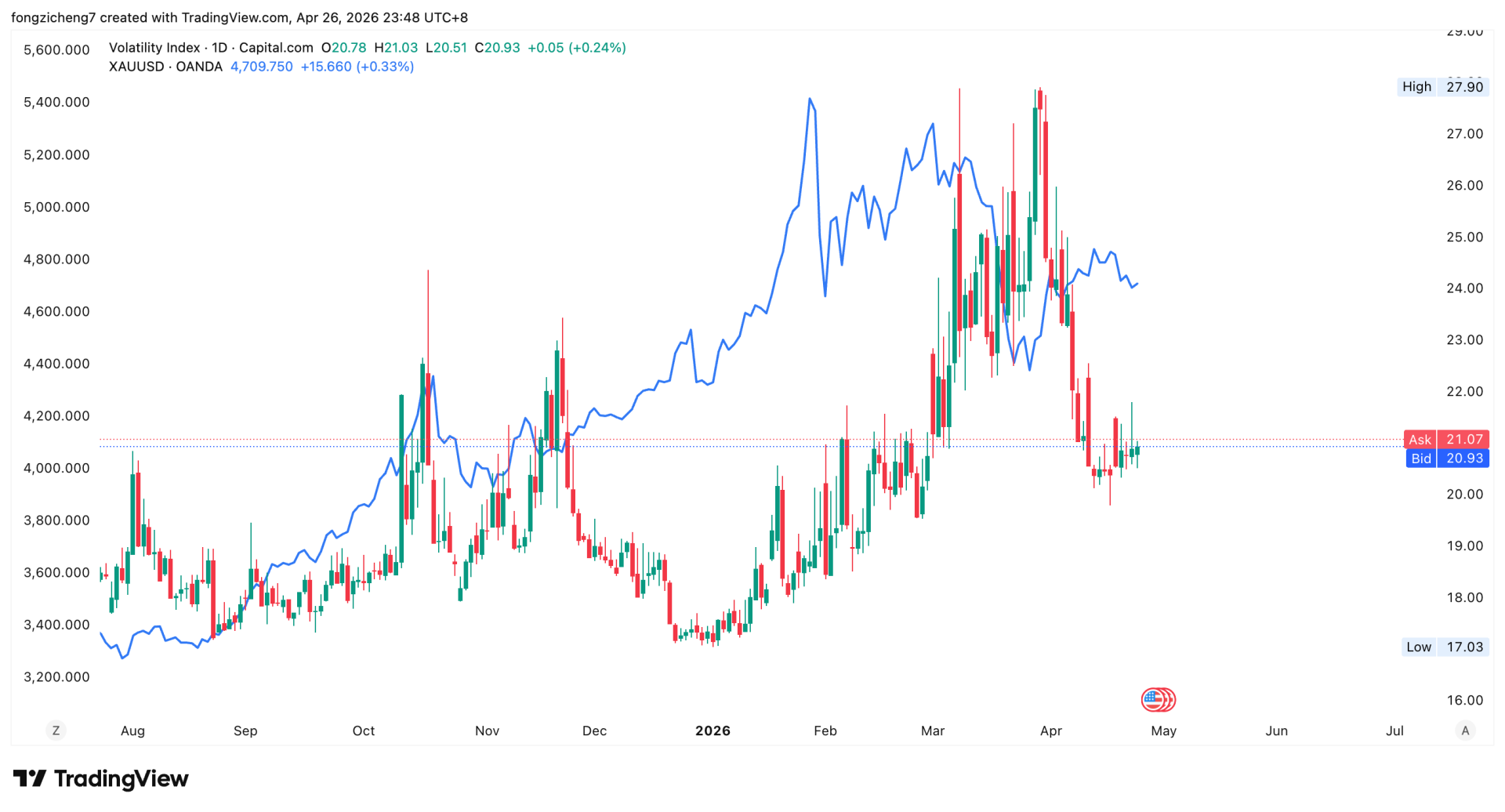
Market Uncertainty

During crises, gold often benefits from “flight to safety” flows.

Step 2: Recognise Gold Market Behaviour
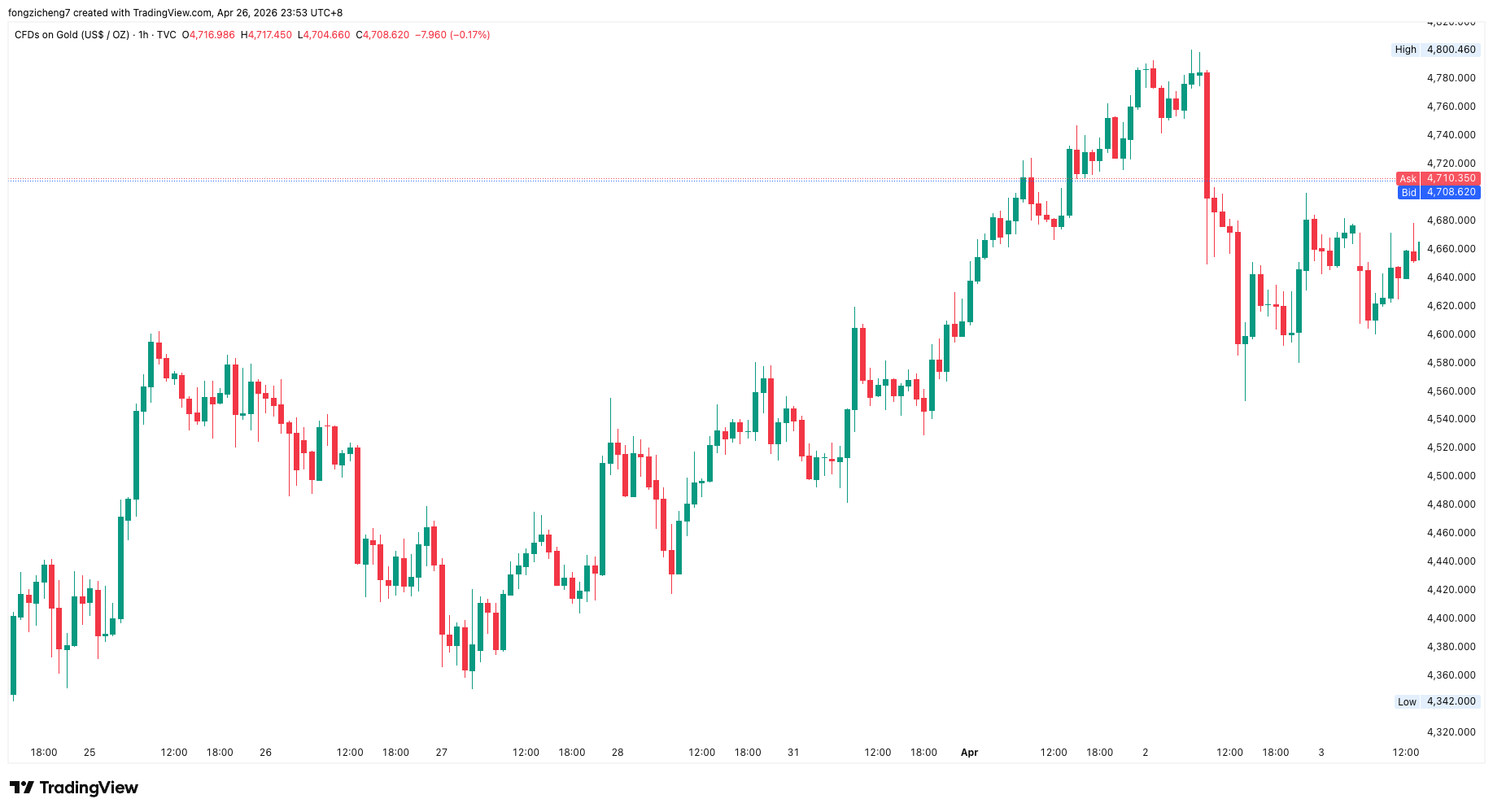
Gold tends to follow repeatable patterns:

  • Strong Trends during macro-driven environments
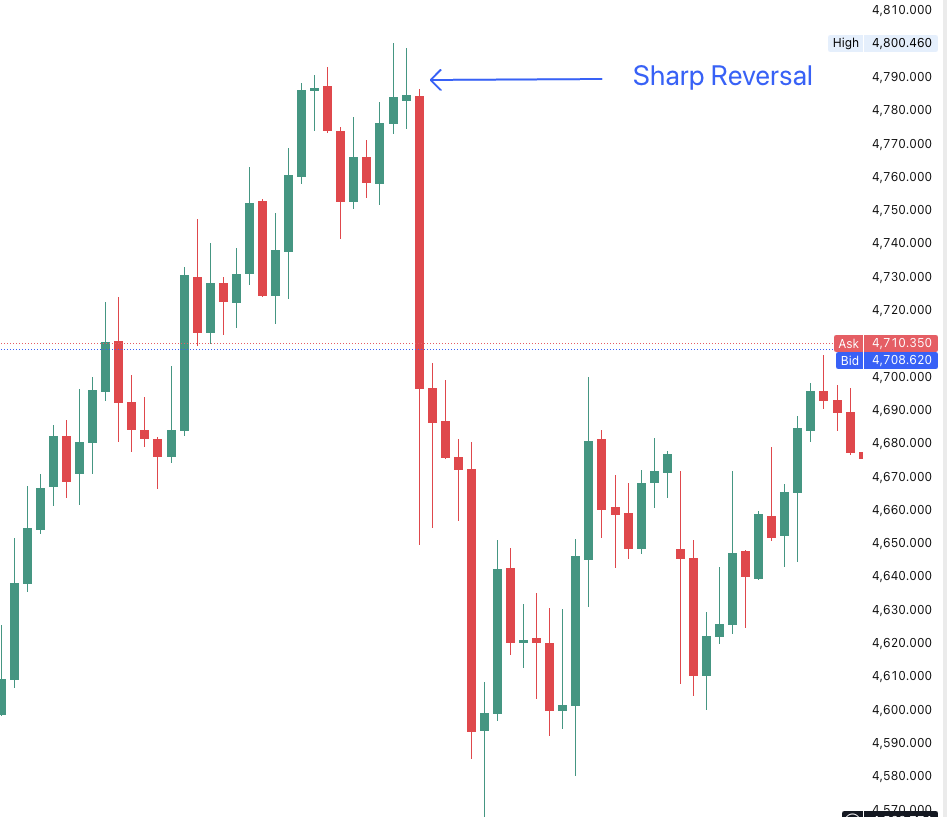
  • Sharp Reversals around major news releases 
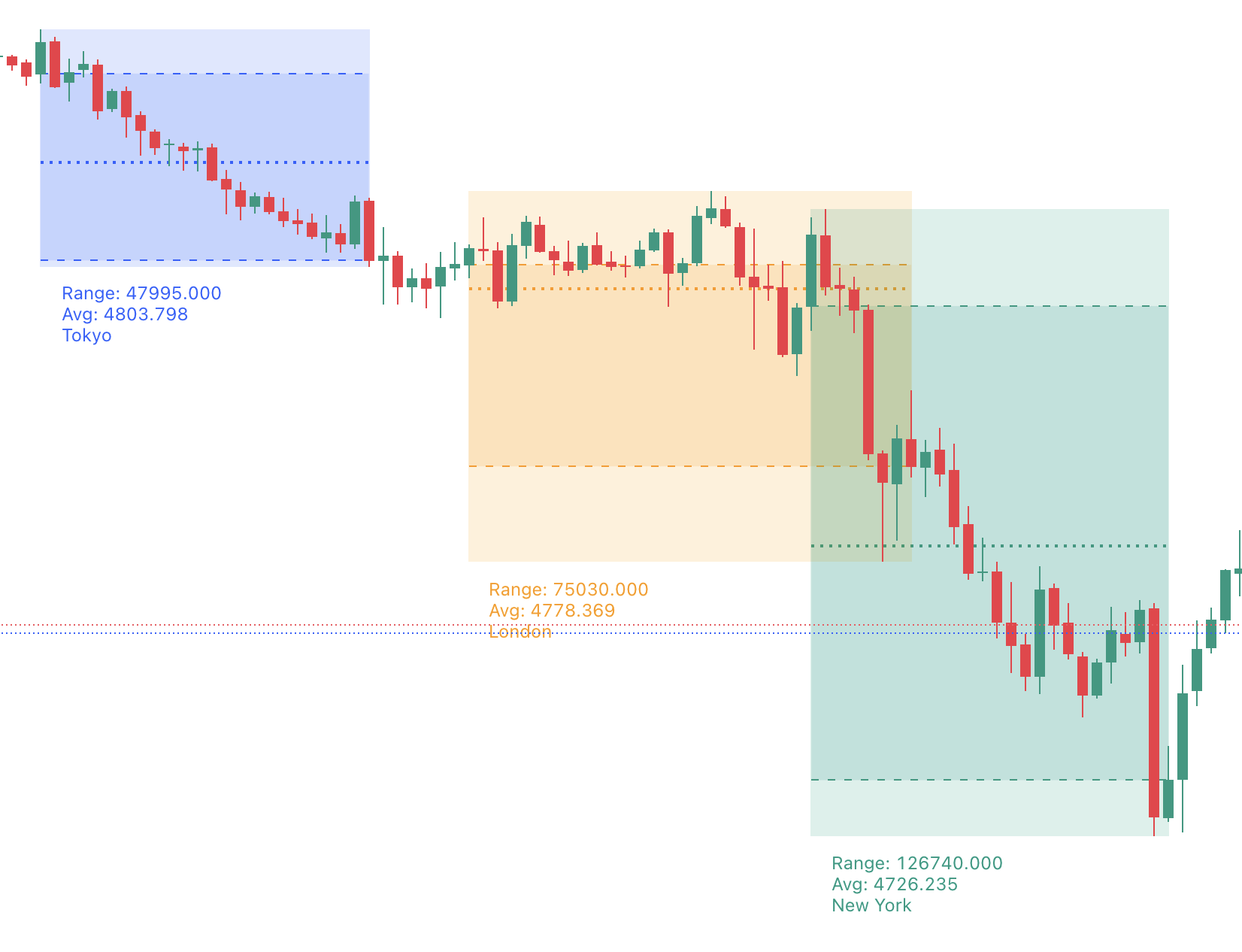
  • Peak Volatility during London & New York sessions

Step 3: Use Proven Gold Trading Setups

Now we move into execution.

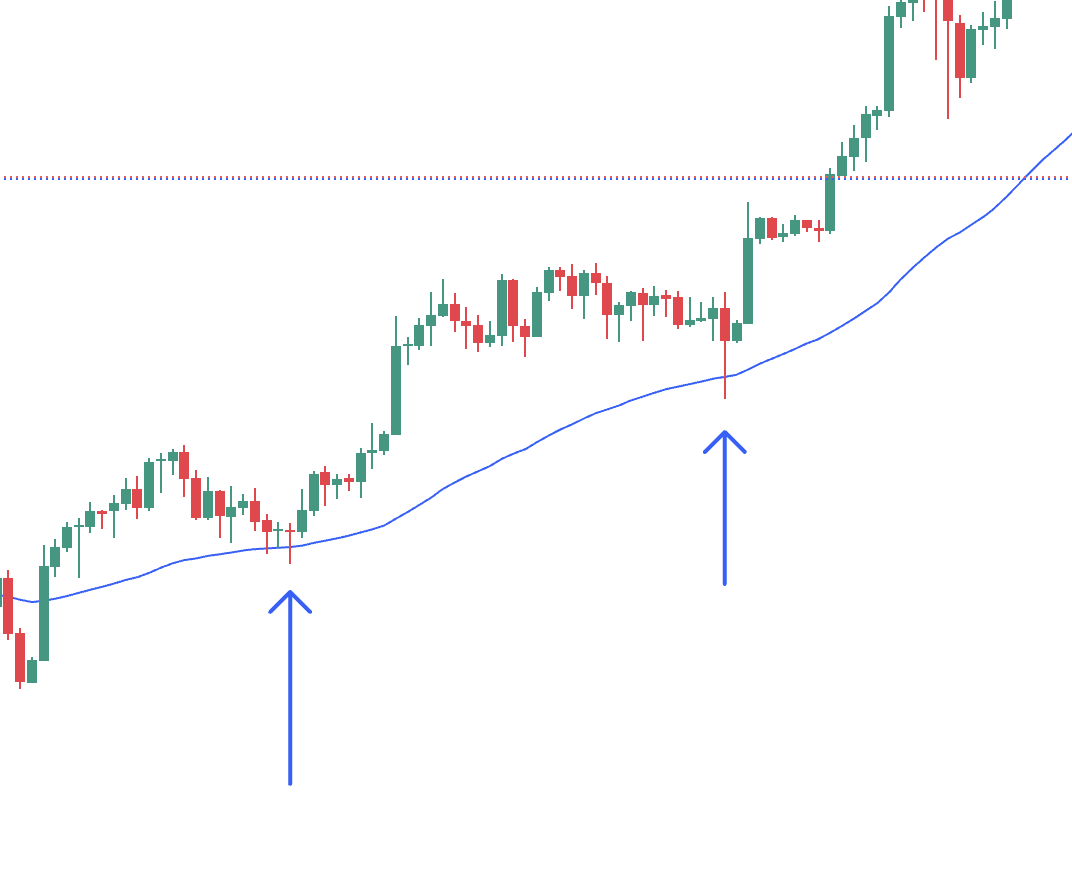
1. Trend Pullback Setup

- Identify trends using moving averages

- Enter on retracement to key levels

- Align with macro bias

Works well in trending markets

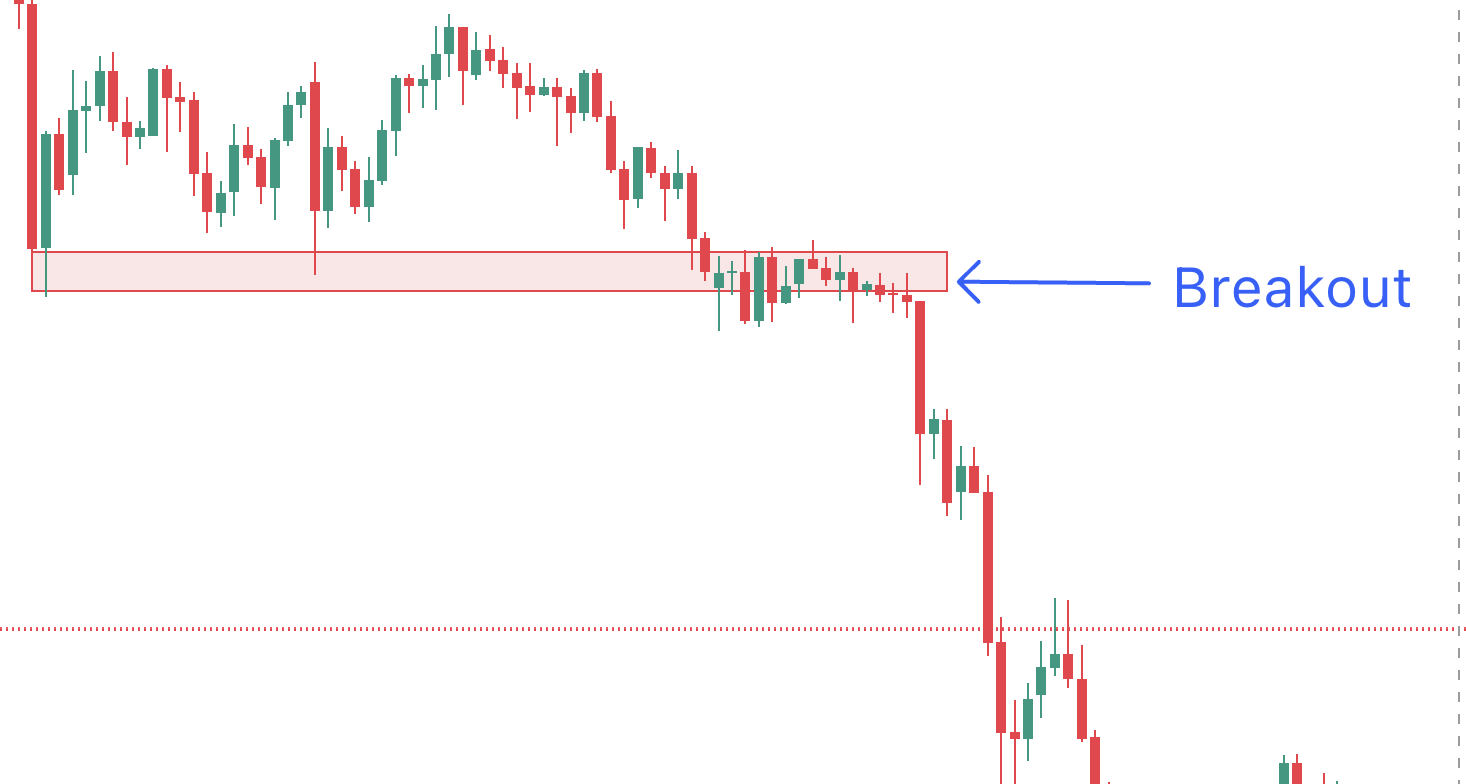
2. Breakout Setup

- Identify consolidation range 

- Wait for a strong breakout with volume 

- Enter on confirmation

Gold is known for explosive breakout moves

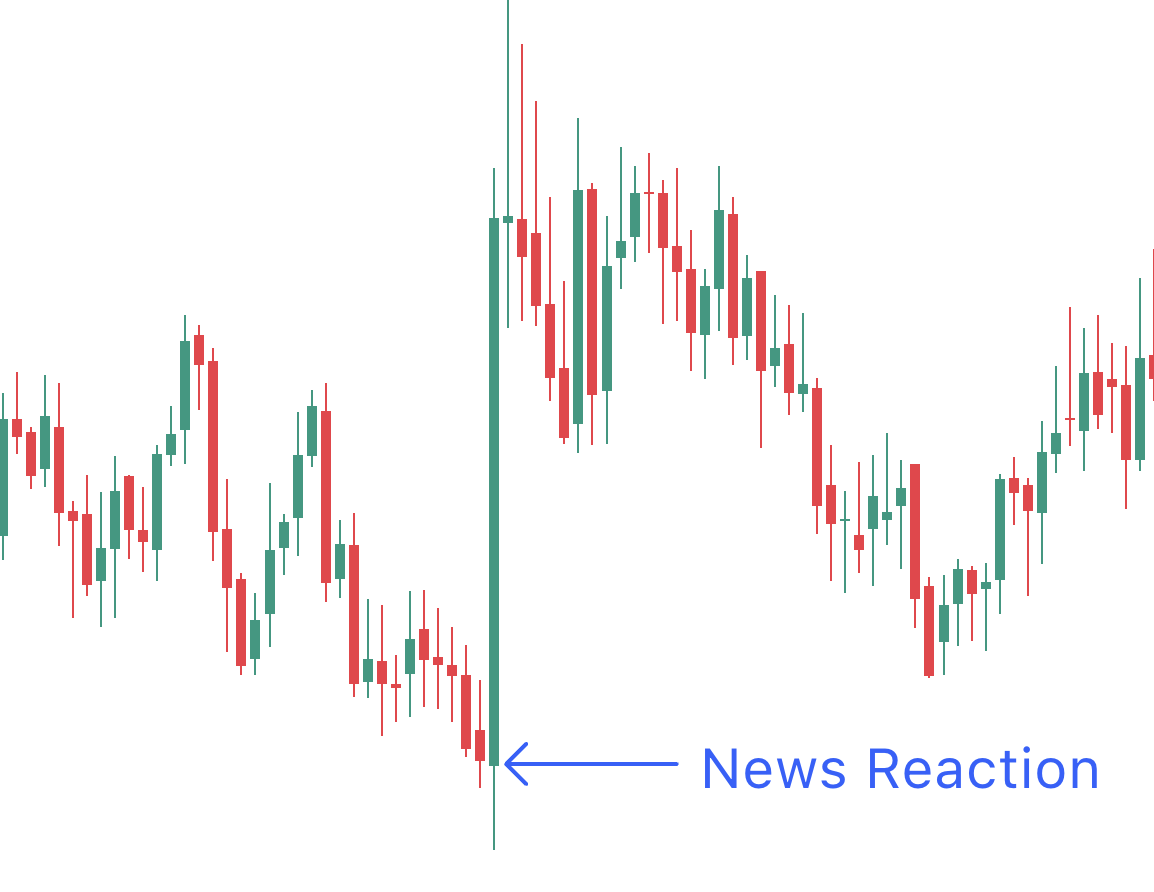
3. News Reaction Setup

- Focus on high-impact events (CPI, FOMC)

- Trade volatility after the release

- Avoid entering before confirmation

High risk, high reward

Step 4: Apply Core Trading Strategies

These setups are typically executed through broader strategies:

- Trend Following → riding sustained moves 

- Breakout Trading → capturing momentum 

- News-Based Trading → trading volatility events

Step 5: Manage Your Risk

Gold’s volatility creates opportunity—but also risk.

Key principles:

- Always define your stop-loss before entry

- Risk is only 1–2% per trade

- Avoid overleveraging during major news events 

Without risk control, even the best strategy will fail over time.

Final Thoughts

Trading gold is not about reacting to headlines or chasing prices. It’s about understanding:

- What moves the market

- When opportunities appear

- How to execute with structure

For traders who approach it with discipline, gold can become one of the most consistent and rewarding instruments to trade.

Frequently asked questions (FAQ):

1) Why is the US Dollar (USD) so influential on the price of gold?

Gold is globally priced in US Dollars. Because of this inverse relationship, when the USD strengthens, gold becomes more expensive for investors using other currencies, which often leads to a drop in demand and price. Conversely, a weak USD typically provides support for gold prices.

2) How do interest rates affect gold if it doesn't pay dividends?

Gold is a non-yielding asset, meaning it doesn't pay interest or dividends. When central banks (like the Fed) raise interest rates, investors can earn better returns on bonds or savings accounts, making gold less attractive by comparison. When rates fall, the "opportunity cost" of holding gold decreases, often driving its price up.

3) When is the best time of day to trade gold for maximum opportunity?

Gold sees its highest volatility and liquidity during the London and New York trading sessions. This is when the largest volume of institutional orders hits the market and when major US economic data (like CPI or FOMC statements) is typically released.

4) What is the "Trend Pullback Setup" and why is it effective?

This setup involves identifying a clear market direction using tools like moving averages and waiting for the price to temporarily retreat (pull back) to a key support or resistance level before entering. It is effective because it allows traders to join an established trend at a more favorable price point rather than "chasing" the move.

5) How much of my account should I risk on a single gold trade?

Due to gold’s high volatility, it is recommended to follow a strict risk management rule of risking only 1–2% of your total account balance per trade. This ensures that even a string of losses during volatile market events won't significantly deplete your trading capital.