When to Trade Gold: Key Market Conditions to Watch
Apr 30

Gold is one of the most reactive assets in global markets. But understanding what moves it is only part of the equation. The real edge comes from knowing when market conditions are actually worth trading.
Because reality is simple: gold does not behave the same way every day.
There are periods where prices move cleanly, respect structure, and offer high-quality opportunities. And there are periods where it becomes erratic, slow, or directionless. Being able to distinguish between these environments is what separates structured traders from those who are constantly reacting to noise.
Why Timing Matters More Than Most Traders Think
Many traders focus heavily on entries, patterns, and finding the “perfect setup.” But even a strong setup can fail if the broader market environment does not support it.
At any given time, gold is typically in one of three conditions:
- Trending with clear direction
- Reacting sharply to new information
- Drifting without conviction
Recognising which phase the market is in helps answer a more important question:
Is this a market I should even be trading right now?
Trending Conditions: Where Gold Becomes Predictable
Gold tends to behave most cleanly when there is a strong macro narrative driving it, such as shifting interest rate expectations or persistent inflation concerns.
In these environments, institutional flows become more directional. Instead of short-term speculation dominating price, larger market participants begin positioning based on forward expectations. This creates sustained movement, rather than fragmented volatility.
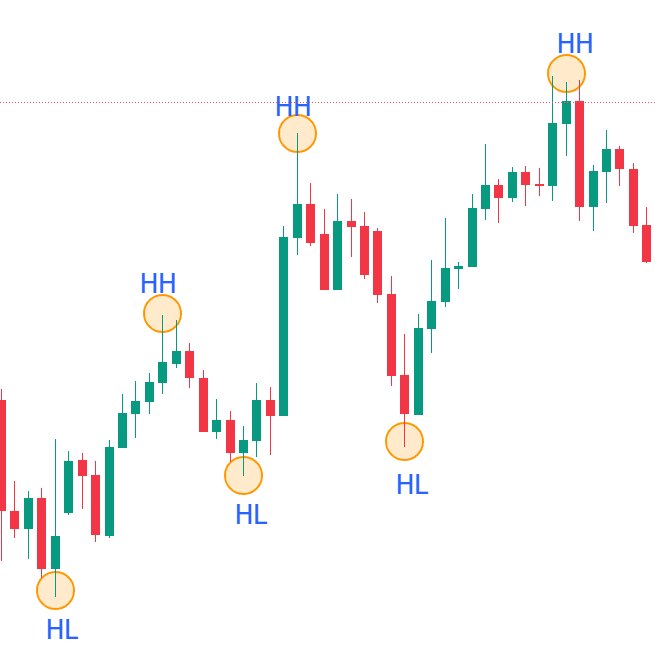
- Consistent higher highs or higher lows
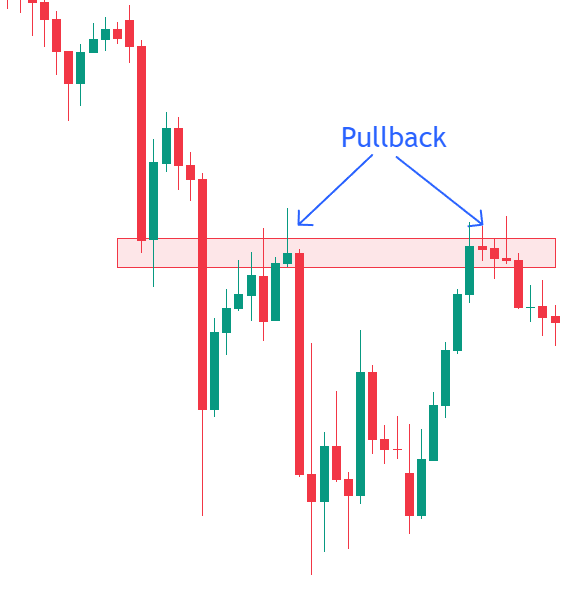
- Pullback that respect key levels
- Momentum that carries across multiple sessions
For example, during periods where markets are pricing for future rate cuts, gold may trend higher over several days, with shallow pullbacks during active sessions such as London or New York.
From a trading perspective, this is where trend-following strategies become significantly more effective. Rather than chasing breakouts, traders can focus on pullbacks into structure, aligning with the broader directional bias.
Without a clear trend, these same strategies tend to lose their edge quickly.
High Impact News: Opportunity, But Not Immediately
Gold is highly sensitive to economic data, particularly releases tied to inflation and central bank policy, such as CPI or interest rate decisions.
When these events occur, prices often react aggressively within minutes. However, the initial move is frequently driven by algorithmic trading and short-term positioning, rather than stable directional conviction.
This is why the first reaction is often unreliable.
During this phase:
- Spreads may widen
- Volatility spikes sharply
- Price can reverse just as quickly as it moves
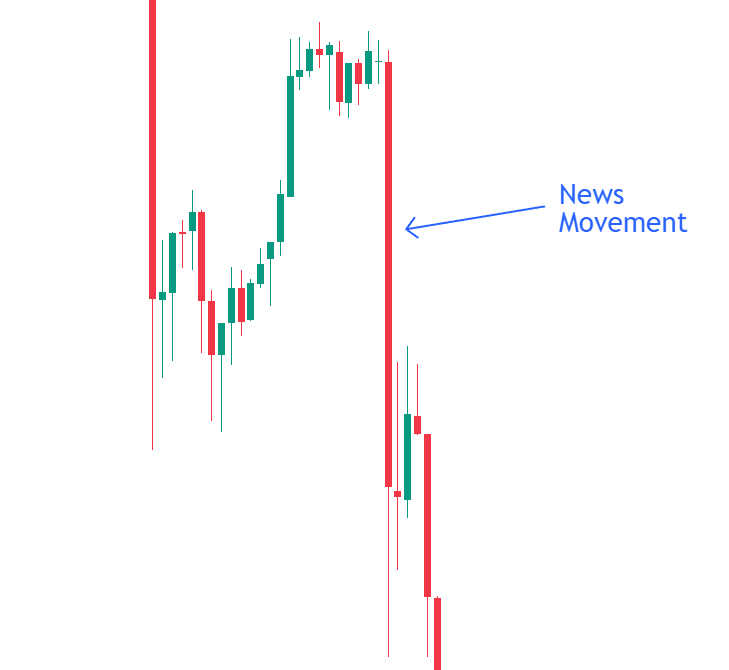
A more controlled approach is to allow the initial reaction to settle, typically within the first 5 to 15 minutes. What traders should look for next is the development of structure:
- A clear higher low or lower high
- A breakout followed by a retest
- A contraction in volatility before continuation
This transition from impulsive movement to structured price action is where more reliable opportunities tend to form.
The Role of the US Dollar: A Simple but Powerful Signal
Gold does not move in isolation. One of the most important relationships to monitor is its interaction with the US Dollar.
Because gold is priced in US dollars, the relationship is generally inverse:
- A stronger dollar puts pressure on gold
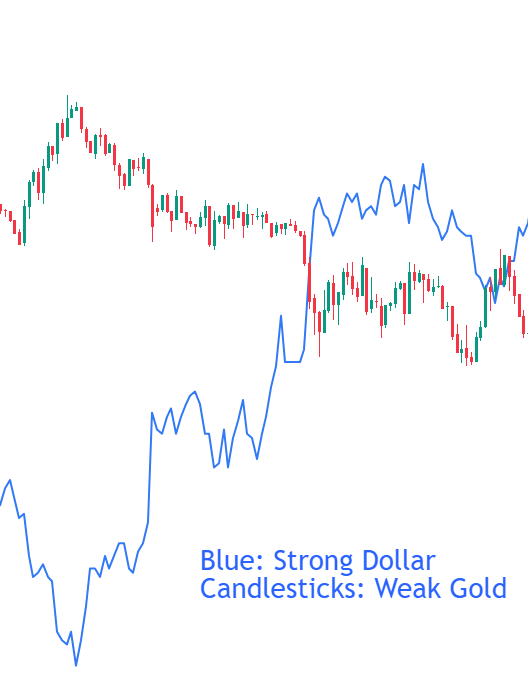
- A weaker dollar tends to support it
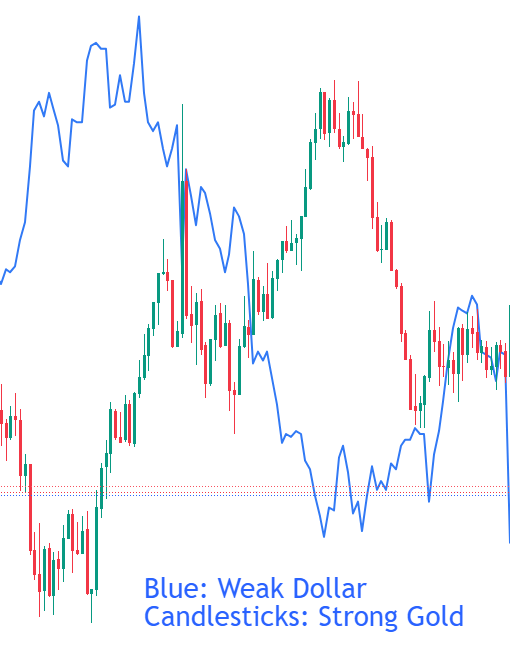
However, the real value lies in using this relationship as confirmation rather than prediction.
For example:
- If gold is breaking higher while the dollar is weakening, the move is typically more sustainable
- If both gold and the dollar are rising at the same time, it may indicate conflicting flows
This divergence often occurs during risk-off environments, where demand for both safe-haven assets increases, or when rising yields pressure gold while uncertainty still supports it.
Understanding this relationship helps traders avoid confusion when price action appears inconsistent.
Interest Rates and Inflation: The Underlying Driver
At a deeper level, gold is heavily influenced by expectations around interest rates and inflation.
When markets anticipate falling interest rates or rising inflation, gold tends to find support. This is because the opportunity cost of holding non-yielding assets like gold decreases relative to interest-bearing instruments.
It is important to note that markets are forward-looking. Price often moves based on expectations rather than actual policy changes.
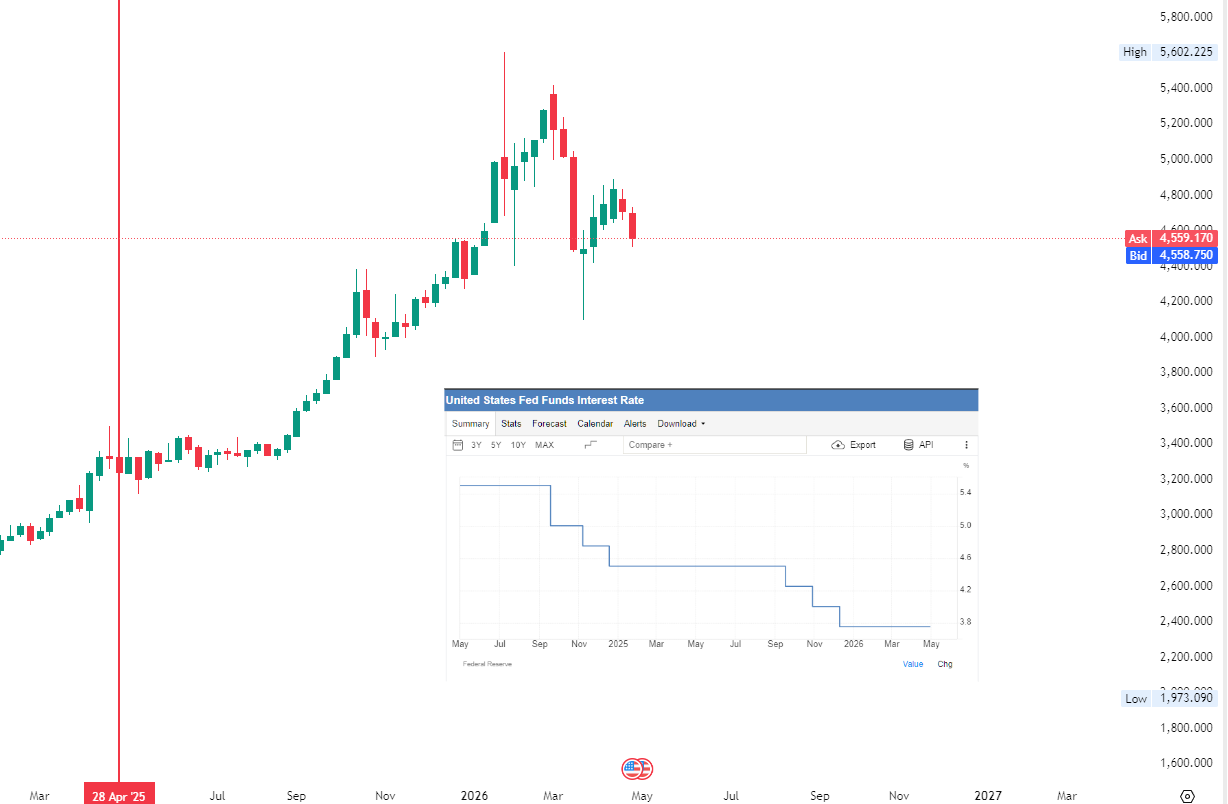
For example, since May 2025, the Fed has reduced interest rates from 5.5% to 3.75%, leading to a weaker US dollar and a stronger gold price, which rose from $3,264 to $5,600.
Interest Rates and Inflation: The Underlying Driver
At a deeper level, gold is heavily influenced by expectations around interest rates and inflation.
When markets anticipate falling interest rates or rising inflation, gold tends to find support. This is because the opportunity cost of holding non-yielding assets like gold decreases relative to interest-bearing instruments.
It is important to note that markets are forward-looking. Price often moves based on expectations rather than actual policy changes.
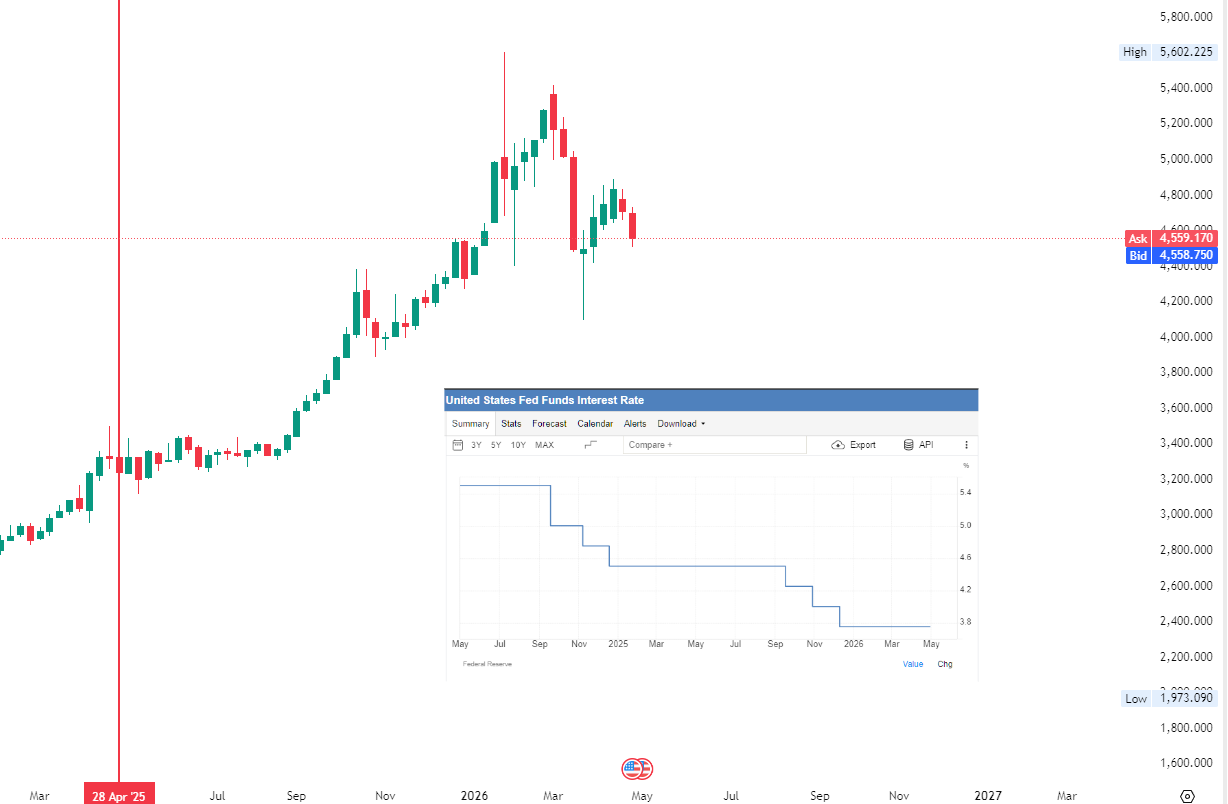
For example, since May 2025, the Fed has reduced interest rates from 5.5% to 3.75%, leading to a weaker US dollar and a stronger gold price, which rose from $3,264 to $5,600.
Risk Off Environments: When Gold Moves Fast
During periods of uncertainty, gold often shifts behaviour.
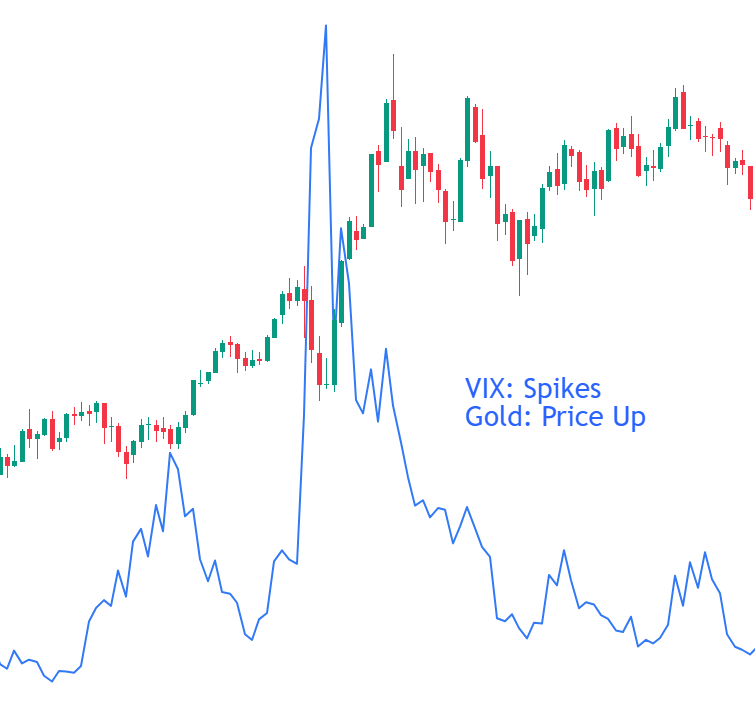
Instead of gradual moves, you may see sudden spikes as capital flows into safer assets. This can happen during geopolitical tension, financial instability, or sharp declines in equity markets.
These moves can be powerful, but they are also less structured.
That is why chasing prices in these moments often leads to poor entries. Waiting for some form of pullback or consolidation usually provides a more controlled approach.
Session Timing: When the Market Actually Moves
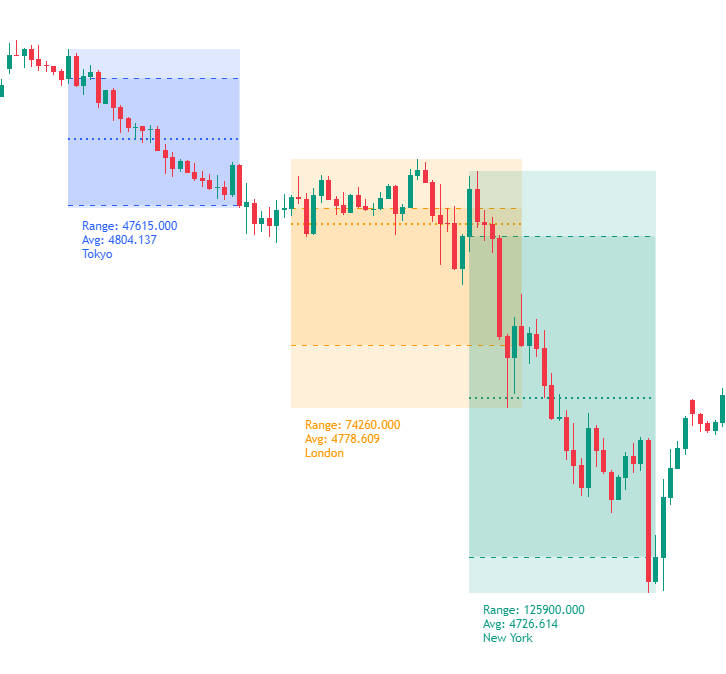
Although gold is traded nearly 24 hours a day, not all trading sessions offer the same quality of opportunity.
Market activity tends to increase significantly during:
- London session (approximately 08:00 – 17:00 UTC)
- New York session (approximately 13:00 – 22:00 UTC)
- London–New York Overlap: (approximately 13:00 – 17:00 UTC)
The overlap between these sessions is particularly important, as it combines high liquidity with strong participation from major market players.
During these periods:
- Volume increases
- Spreads tighten
- Price movements become more meaningful and directional
In contrast, the Asian session is often slower and more range-bound, unless driven by specific news events.
Understanding session timing helps traders align their activity with periods where the market is more likely to produce clean and tradable moves.
When Not to Trade: The Overlooked Skill
Not every market condition is worth participating in.
There are periods where gold lacks direction, moving within tight ranges with no clear follow-through. These environments are often characterised by low volume or pre-news consolidation.
Common signs include:
- Repeated rejections at similar levels
- Breakouts that fail quickly
- Lack of a clear macro narrative
These are the conditions where many traders experience unnecessary losses, not because of poor strategy, but because of poor timing.
In such situations, reducing exposure or stepping aside entirely is often the more disciplined decision.
Final Thoughts
Trading gold is not about trading more, but trading at the right time.
A strong strategy cannot compensate for poor market conditions. Most losses occur not from bad entries, but from trading when the environment offers no real edge.
The ability to stay selective, and to step aside when conditions are unclear, is what separates consistent traders from the rest.