Gold vs US Dollar: The Most Important Relationship Every Trader Must Know

May 6


One of the first relationships traders notice on the market is the link between gold and the US Dollar. It appears constantly on XAU/USD charts, yet many beginners don’t fully understand why it matters.

Once you understand this properly, gold stops feeling random and starts becoming much more structured to analyse.

Why Gold and the US Dollar Are Closely Linked
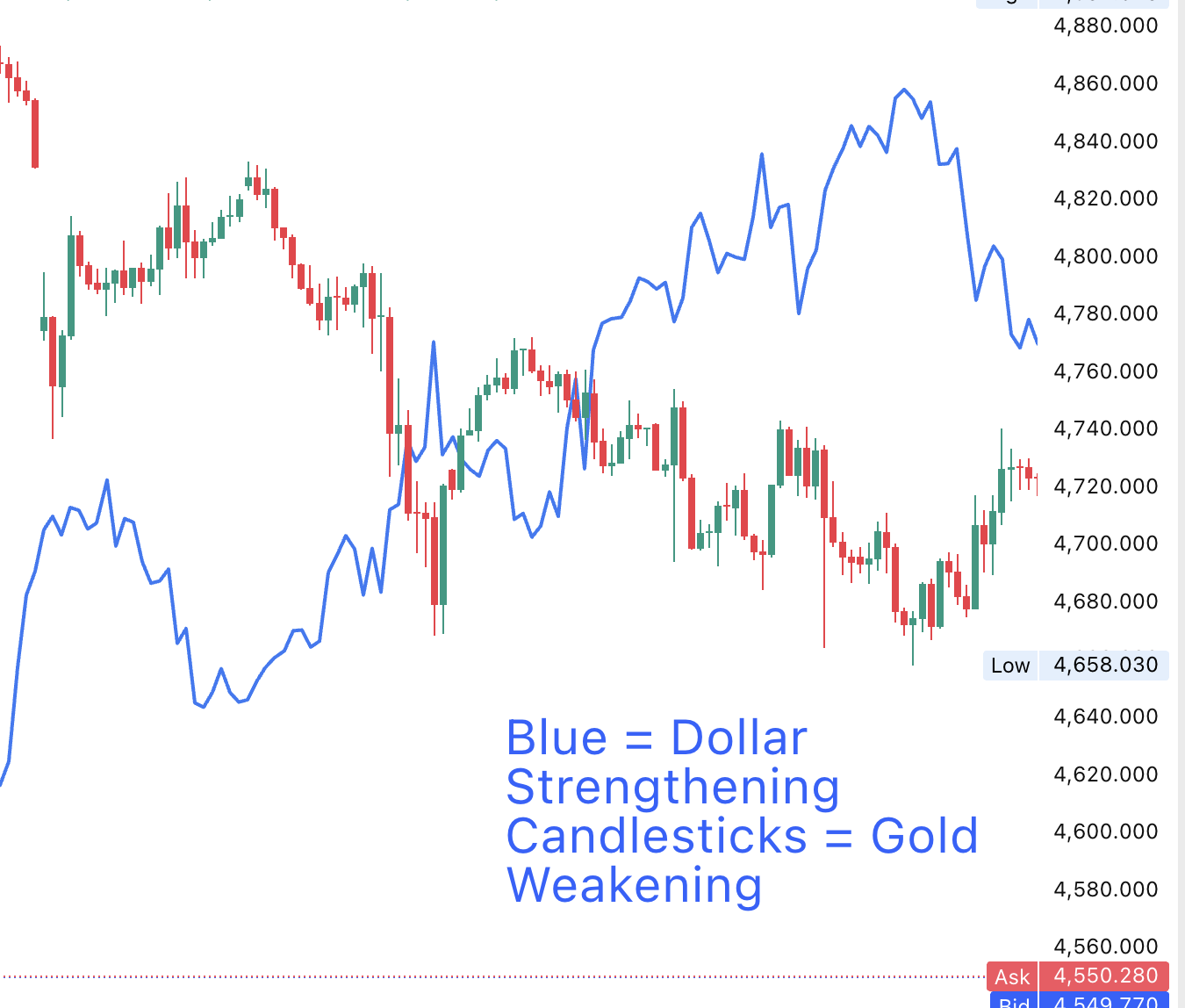
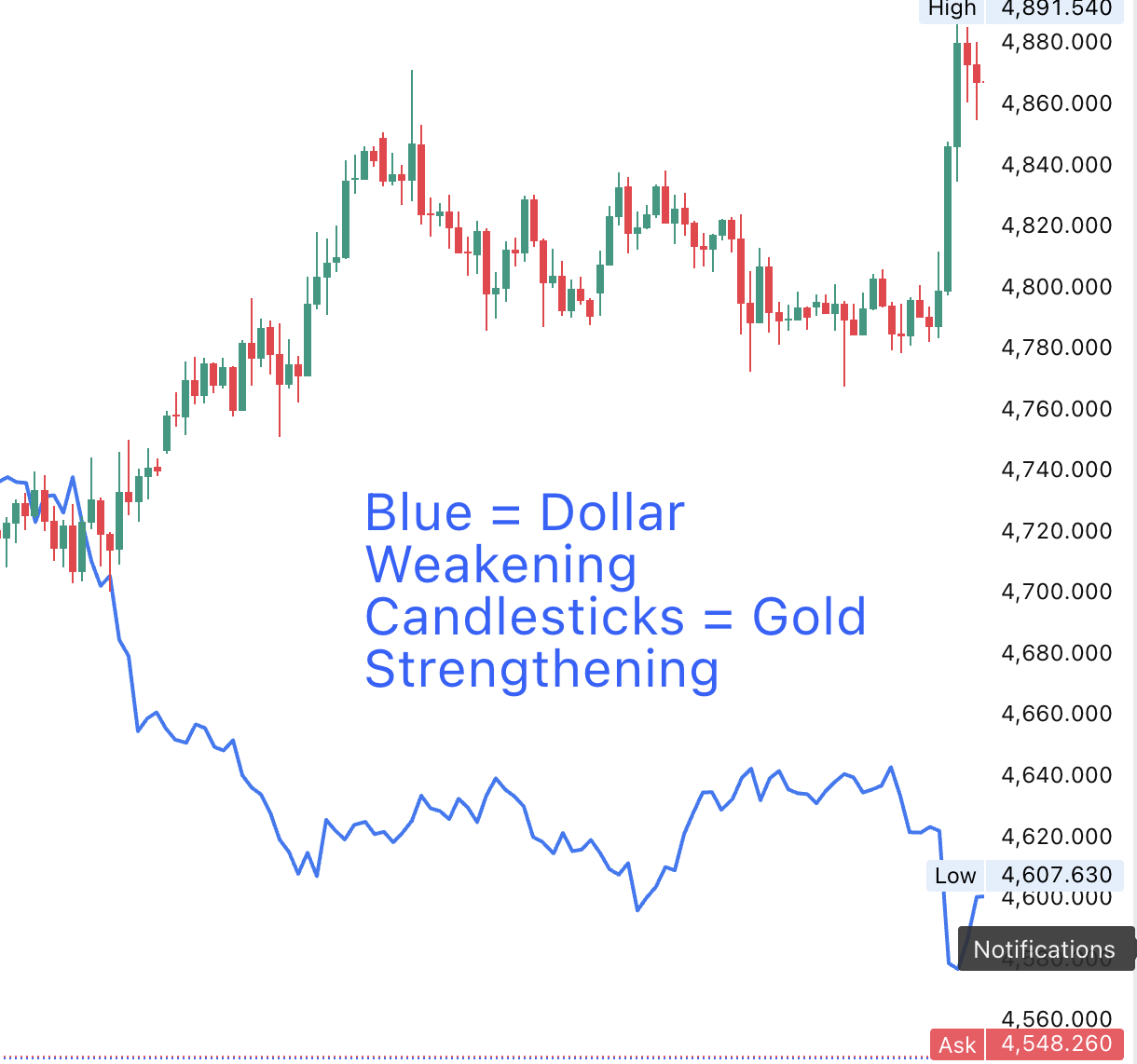
Gold is priced globally in US Dollars, which means any change in the Dollar directly affects gold’s value.

In simple terms:

- When the US dollar strengthens, gold becomes more expensive for global buyers → demand may fall → gold tends to drop 

- When the US dollar strengthens, gold becomes more expensive for global buyers → demand may fall → gold tends to drop 

This is why traders often describe them as having an inverse relationship. However, it is important to understand that this is a tendency, not a guaranteed rule.

What Drives the US Dollar?

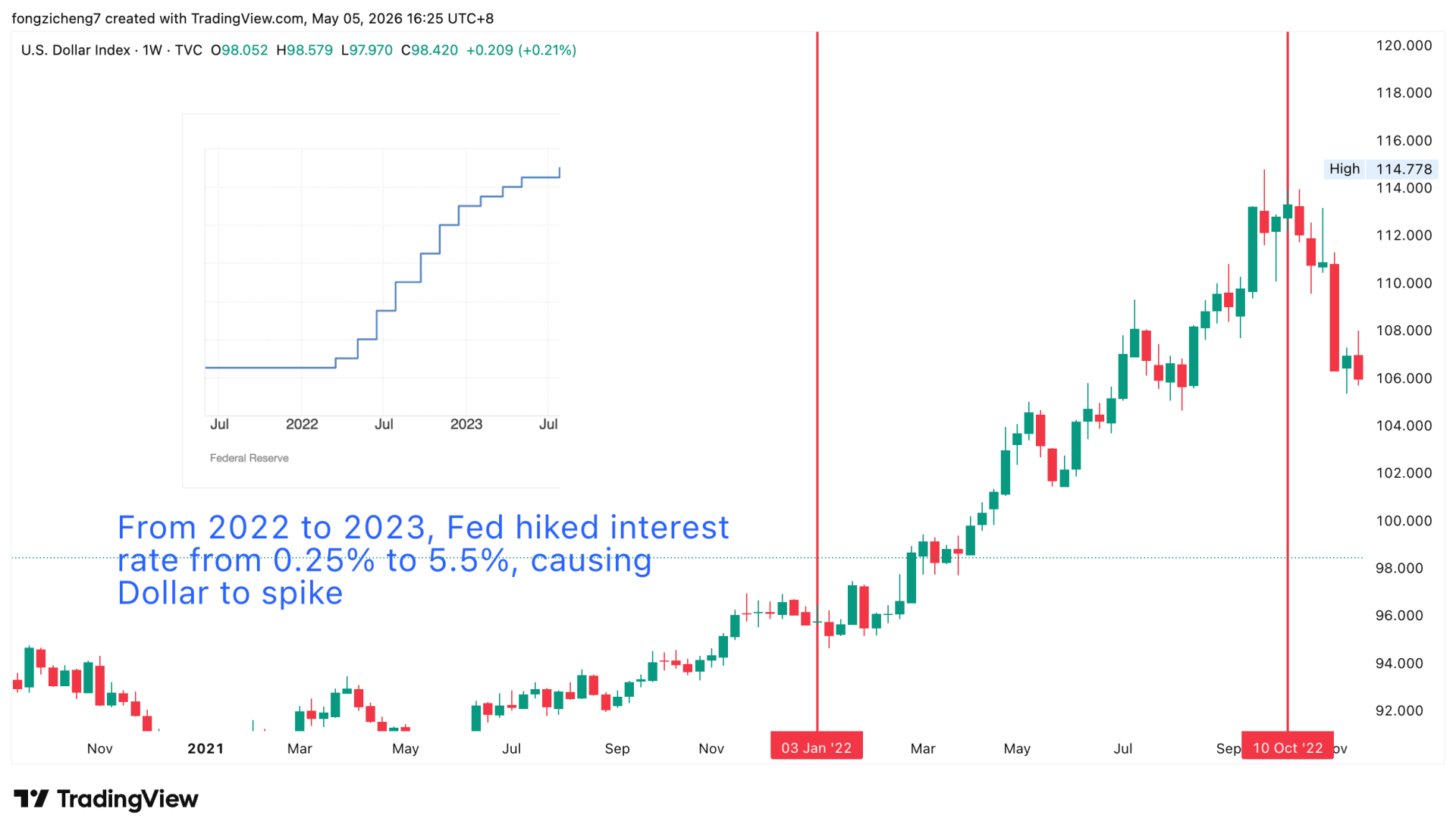
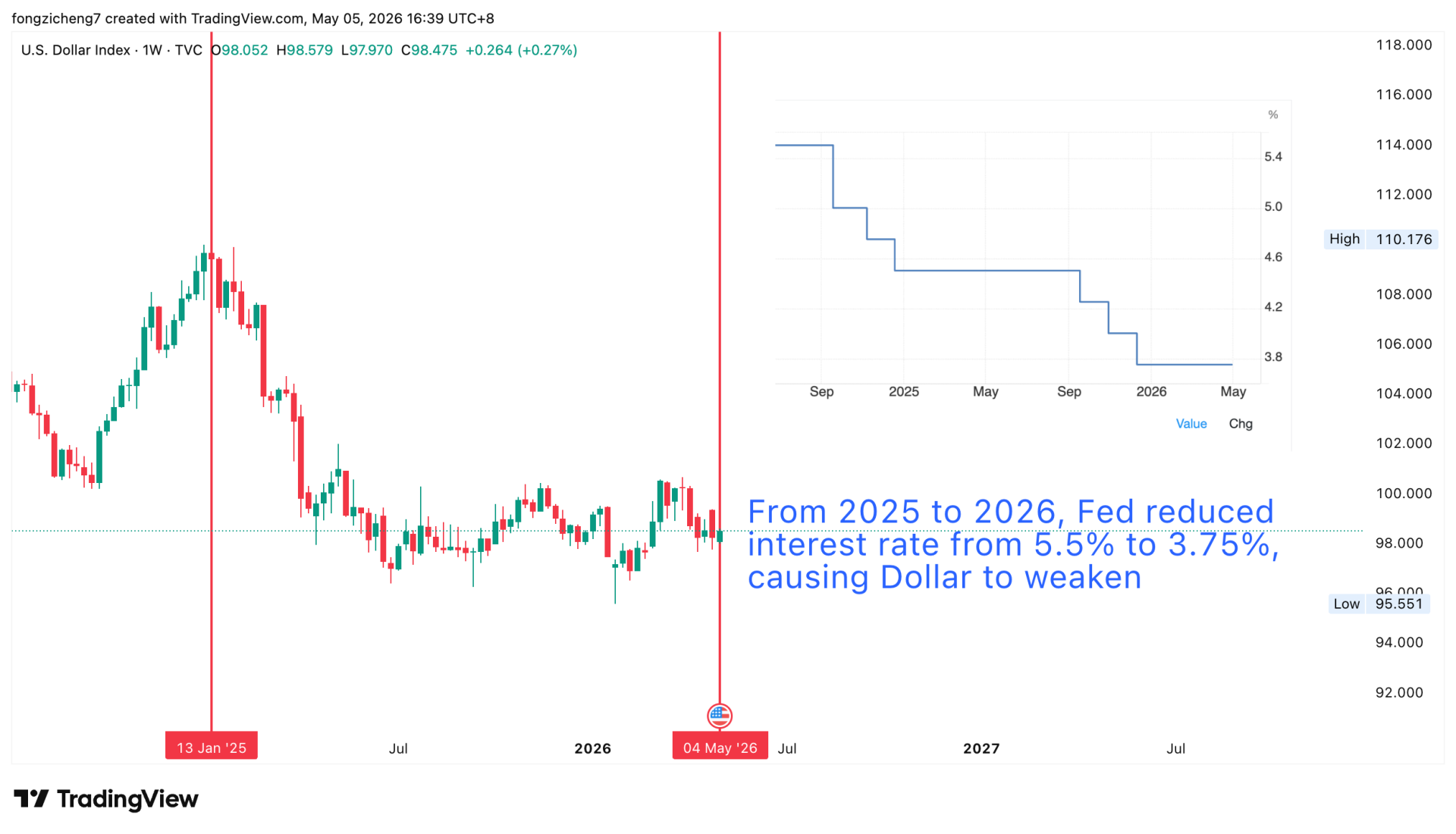
To understand gold, you first need to understand what moves the dollar itself. The biggest driver is interest rates.

When interest rates change, they affect how attractive the US Dollar is to global investors.

- Higher interest rates → stronger USD (capital flows into the Dollar) 

- Lower interest rates → weaker USD (capital flows away from the Dollar) 

This is why markets closely watch decisions from the Federal Reserve. Even expectations of rate changes can move both the dollar and gold significantly.

Gold’s Role as a Safe-Haven Asset

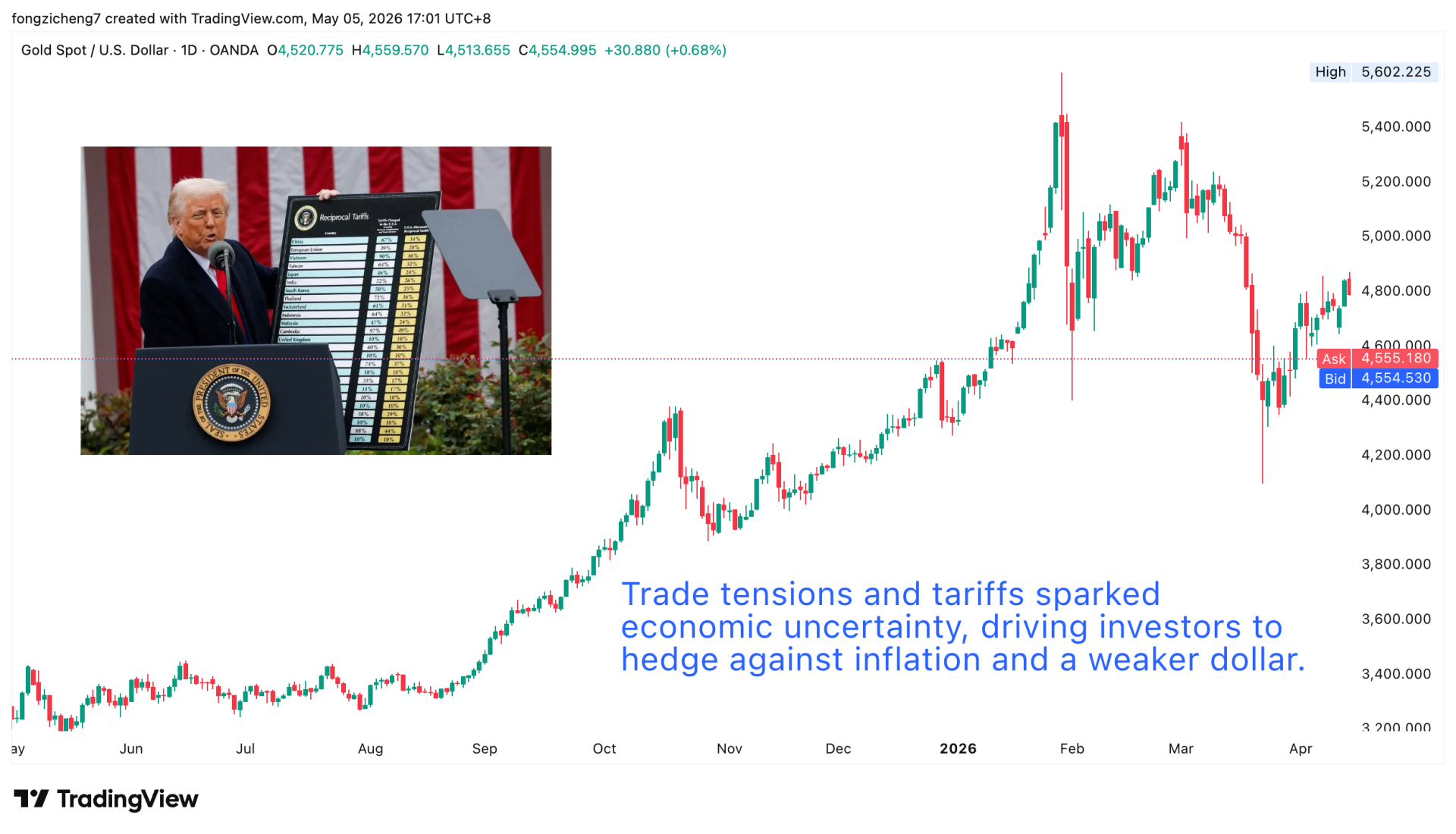
Gold is not just another traded instrument — it also functions as a safe-haven asset.

This means that during uncertainty, investors tend to move money into gold to preserve value.

Typical situations include:

- Economic slowdown or recession fears 

- Geopolitical tensions 

- Financial market instability 

During these periods, gold can rise even if the US Dollar is strong, because demand is driven by fear rather than interest rates.

When the Relationship Breaks Down

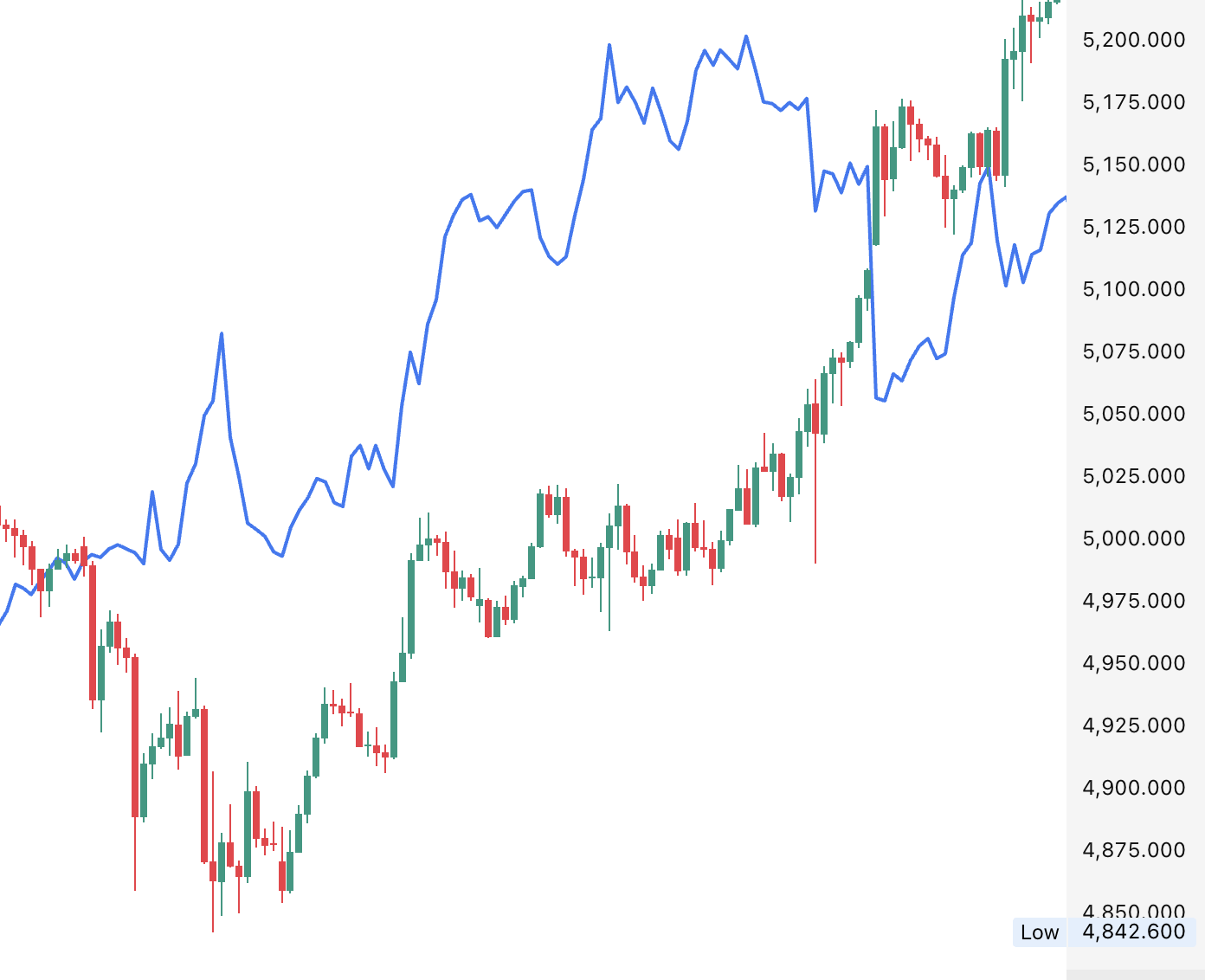
Although gold and the dollar usually move in opposite directions, the relationship is not always clean.

There are times when:

- Both gold and USD rise together (safe-haven flows)

- Gold moves independently due to strong commodity or inflation demand 

- Market sentiment overrides macro fundamentals

This is why experienced traders never rely on this relationship alone.

Instead, they use it as a supporting bias, not a trading signal.

How Traders Use This in Practice

In real trading, this relationship is used as context to improve decision-making rather than predict exact entries.

For example:

- If USD is trending strongly upward and gold is rejecting resistance → higher probability of bearish continuation 

- If USD is weakening and gold is breaking structure → stronger bullish alignment 

The goal is not to trade the relationship itself, but to use it to confirm directional bias.

Final Thoughts

The gold–US dollar relationship is one of the core foundations of forex and commodities trading. While it is not perfect, it provides powerful context for understanding market movement.

For beginners, the key is not to memorise the inverse correlation, but to understand why it exists.

Once that clicks, you’ll start seeing gold not as a random chart — but as a reaction to global capital flows, interest rates, and sentiment.

Frequently asked questions (FAQ):

1) Why do gold and the US Dollar generally have an inverse relationship?

Gold is priced globally in US Dollars. Because of this, when the US Dollar strengthens, gold becomes more expensive for global buyers, which tends to decrease demand and lower gold's price. Conversely, when the Dollar weakens, gold becomes cheaper, which often increases demand and causes its price to rise.

2) How do interest rates impact the US Dollar?

Interest rates are the biggest driver of the US Dollar's value. When a central bank (like the Federal Reserve) raises interest rates, global investors are attracted to the higher yields, causing capital to flow into the Dollar and making it stronger. When interest rates drop, capital flows away from the Dollar, causing it to weaken.

3) Can gold rise in price even if the US Dollar is strong?

Yes. Gold acts as a safe-haven asset during times of economic slowdown, recession fears, geopolitical tensions, or financial market instability. In these situations, investors buy gold to preserve their wealth, which can drive its price up regardless of what the US Dollar is doing.

4) What causes the inverse relationship between gold and the USD to break down?

While they usually move in opposite directions, the correlation is not a strict rule. The relationship can break down during:

- Safe-haven events: Where both assets experience simultaneous inflows.
- Commodity or inflation demands: Where gold moves independently due to high demand for precious metals.
- Extreme market sentiment: Where fear or excitement overrides standard macroeconomic fundamentals.

5) How do professional traders actually use this relationship?

Experienced traders use the gold-USD relationship as context rather than a direct trading signal. Instead of predicting exact entry points, they look for alignment—for example, looking for bullish confirmation if the USD is weakening while gold breaks a key price level. It serves as a supporting bias to improve decision-making.